

We don't know when you're reading this, but we recommend budgeting for a home inspection (bedek bayit) as soon as you start house-hunting in Beitar Illit, not after. Most people skip that line item and find themselves, at move-in, with nothing left over to hire a home inspection company in Kiryat Ata or in Beitar Illit itself.
Some end up paying a few thousand shekels just to have someone check the heating and air conditioning, or bring in a roofer to look at the roof, without realizing how much a full engineering check could have saved them.
Hiring our engineer keeps the contractor from dodging the responsibility owed to you: a home that is finished, usable, and free of defects. If the contractor offers compensation instead of a repair, with your consent, or the defect simply cannot be fixed, the payout should be based on real market pricing, the kind our engineers use, not the contractor's own numbers.
Contractors typically price defects using supplier catalogs such as Dekel, and supplier prices are naturally lower than what repairs actually cost.

A basic home inspection versus a full engineering check
An inspection carried out by our engineer always includes a full engineering check, unlike one done by someone who took a short course with no engineering background. Here is the difference.
A standard home inspection follows established standards and field practice, whether for a resale home before purchase or a new one, generally based on the most current building codes. Those codes spell out what a developer or contractor owes the buyer under the definition of a sound home.
What does a home inspection cover, and how long does it take? In short, it is a visual review of the home's main components: the structural frame, the building itself, interior and exterior, the electrical and plumbing systems, heating and cooling, and insulation and ventilation. It's quick, usually two to three hours.
An engineering check goes further. An engineer examines the structural condition of the home itself: the foundation, floor structure, walls, ceiling, and roof, to confirm that the load on the structure and its age have not caused any distortion in the construction.
That takes mapping the interior floor plans at every level, surveying floor levels, mapping the roof and ceiling frame and the foundation and floor frame, and documenting physical damage such as exposed drywall, plaster, and brick veneer.
The engineer takes this information back to the office to produce drawings and plans for a planning engineer to study, and to draw conclusions about the home and the cause of any distortion found. The findings go into a written report with photographs, AutoCAD drawings, and other relevant information.
This kind of structural check matters most if you bought an older home, or found construction problems in a new one that need to be assessed and rated for severity.
Know someone this could help? Share it.
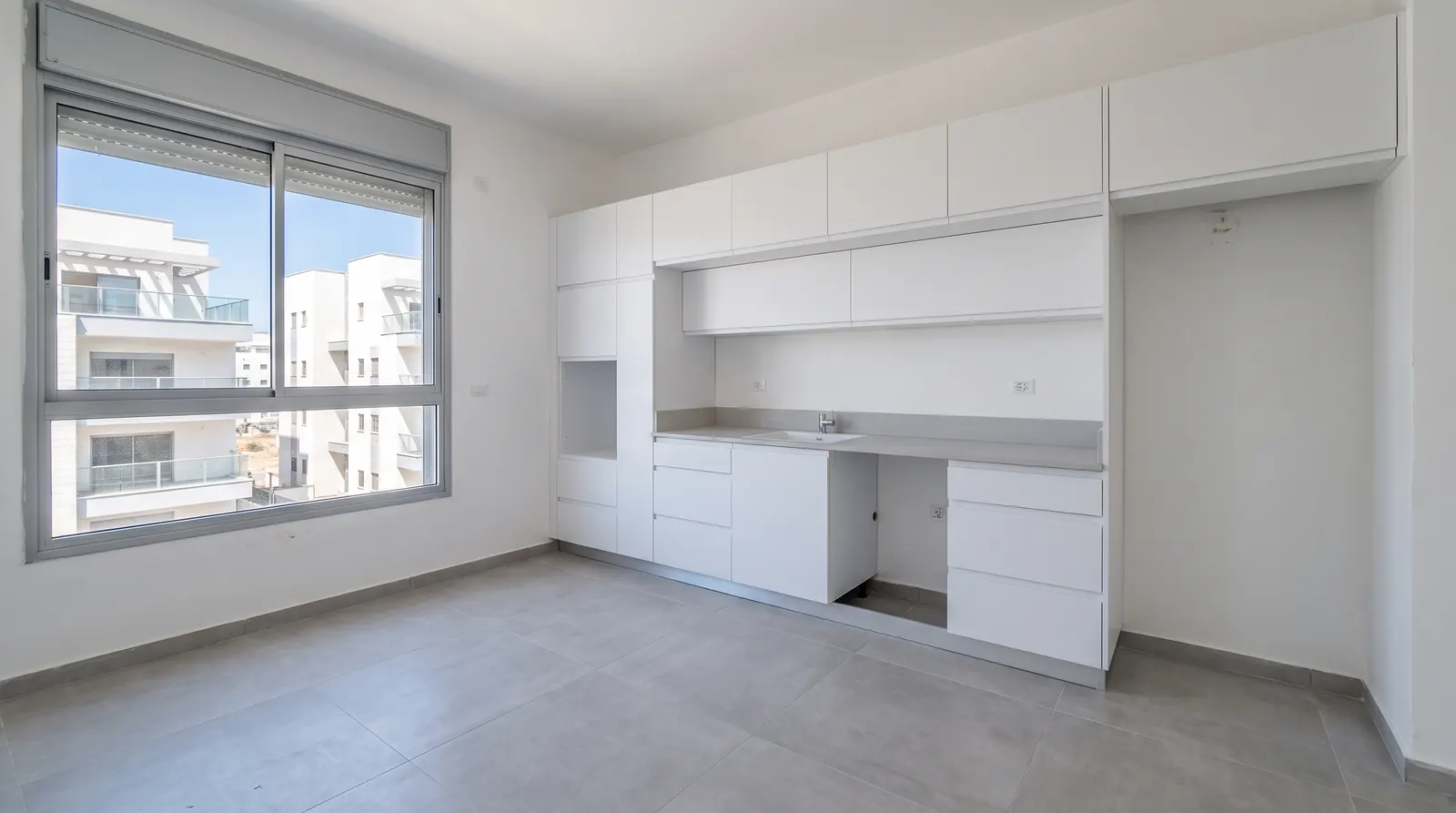
What our engineers check in Beitar Illit
After an initial look and the team's assessment, we decide which specific checks the structure needs. Depending on what we find, we look at:
Interior issues, moisture, foundation and retaining-wall problems, aluminum and framing issues, exterior cladding problems, concrete panel defects, serious soil and geology issues such as settling or seepage that could put residents at risk, and health and safety concerns such as mold and mildew.
Contact us for an individual quote, and we'll work out the exact cost of an inspection at your home.
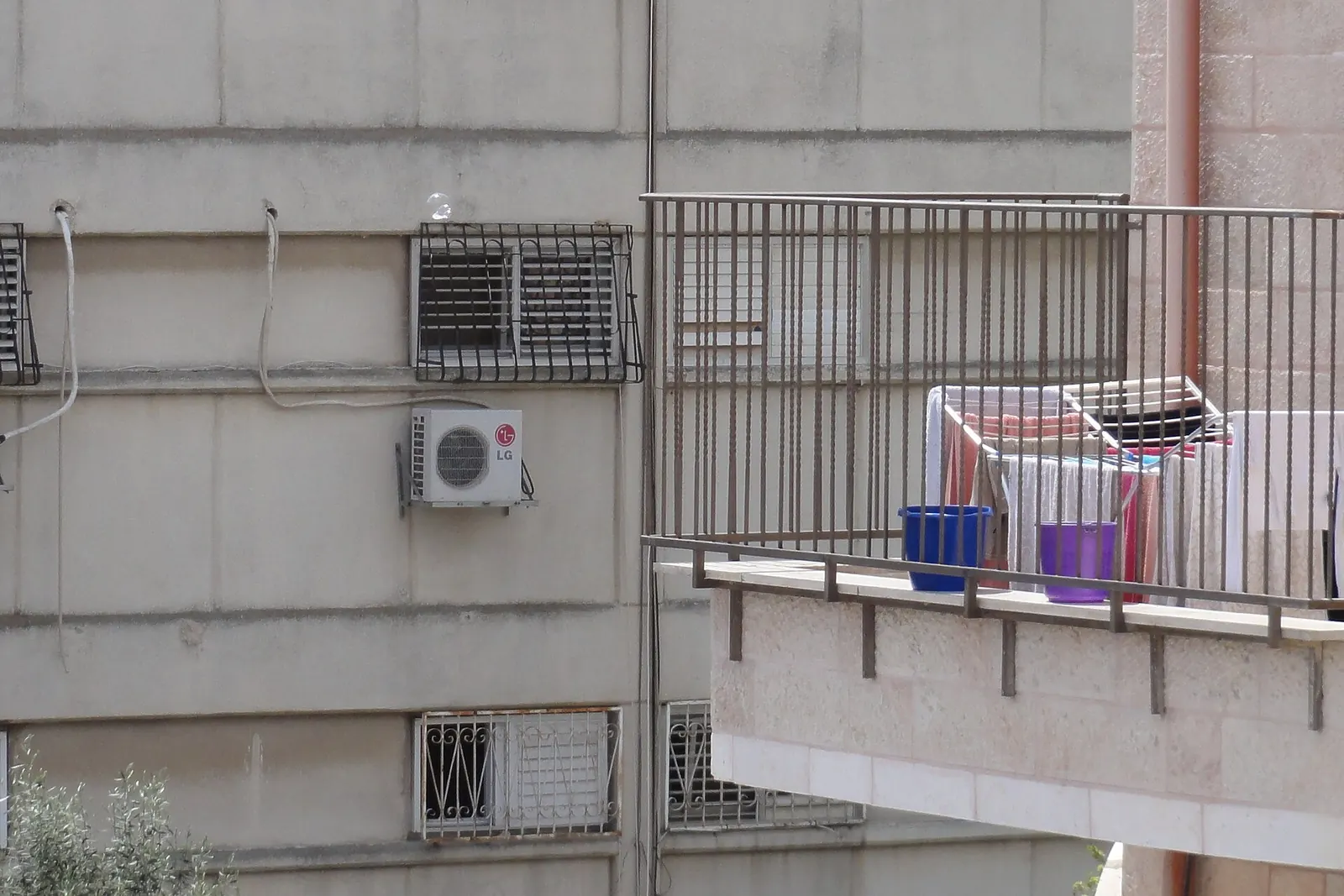
The engineers of Arad Bedek Bayit, led by building engineer Ron Arad, whom courts appoint as their own expert on construction defects. The company has been inspecting apartments and buildings since 2001. Engineer Ron Arad · More about the company