

On this page · 3
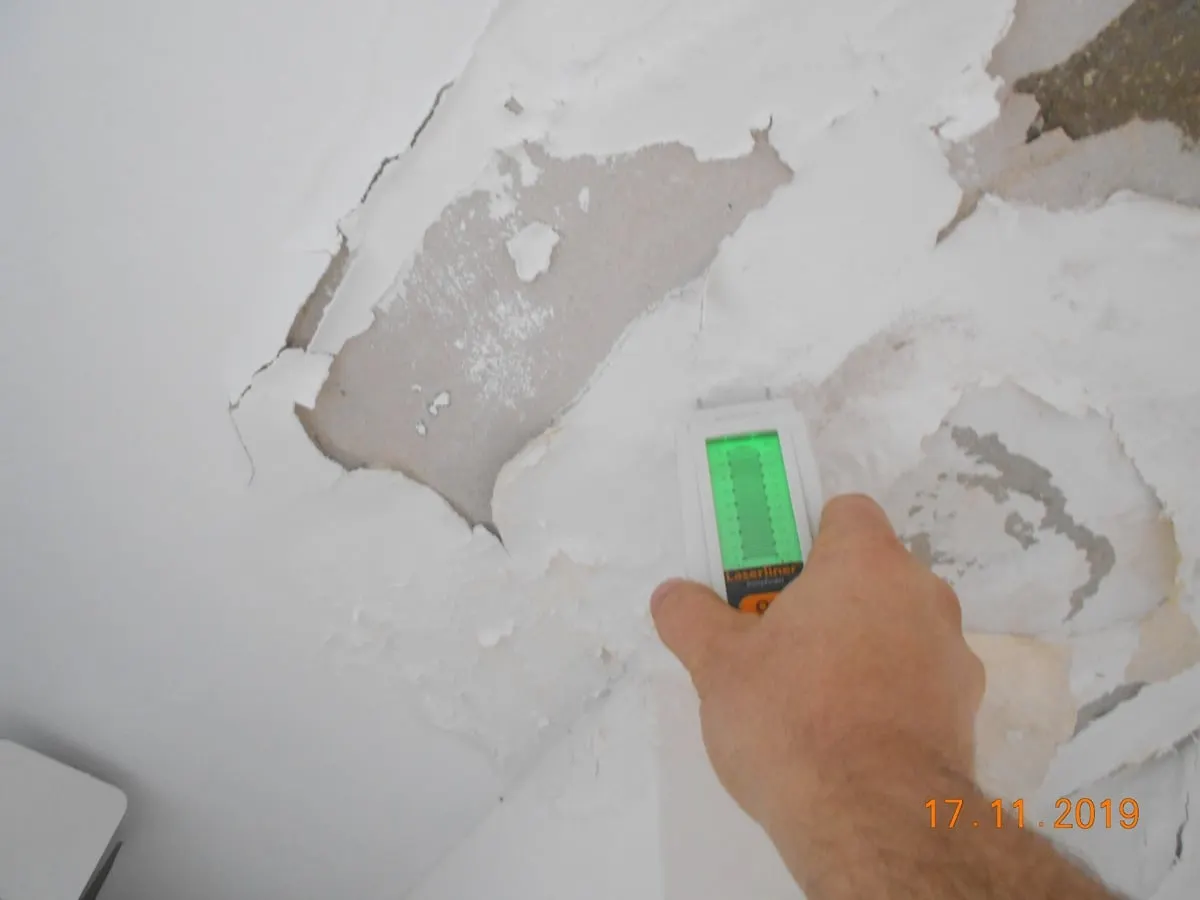
To check dampness in an exterior wall of a shared building, and find out what is causing it, it is best to call in a waterproofing expert. Dampness can have several causes, and an untrained eye, all the more so without the necessary equipment, sometimes cannot get to the root of the problem. Locating dampness defects is highly professional work.
Why the source of the dampness is hard to find
Dampness and mold on walls are among the most common problems in houses and apartments in Israel, and among the hardest to solve. What causes dampness in a wall, how is it treated, and what damage can it do? The truth is that dampness defects are very common construction defects, perhaps among the most common of all.
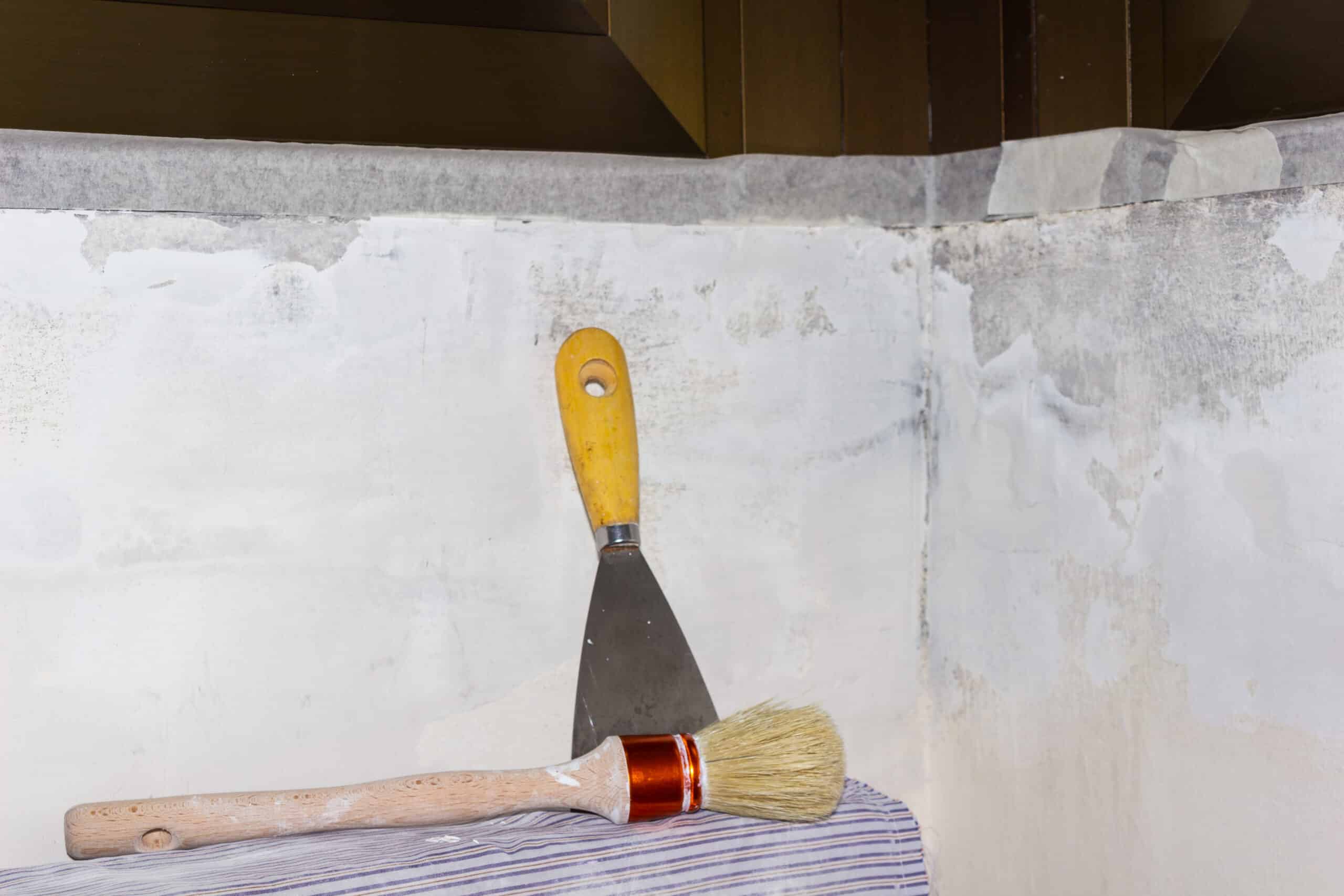
It can seem very easy to see exactly where the leak, the mold or the blistering on the wall is. The trouble is that the spot where the dampness shows is not always the spot where the water actually gets in. That is why it is important to call in a skilled professional whose job is to locate the leak and seal it.
In fact, as with any other work of locating construction defects, it is better to go to an expert. An engineer who specializes in checking for construction defects will carry out a home inspection (bedek bayit) professionally, with the right tools and technology.
If you are not sure whether to call a waterproofing contractor or a plumber, call an expert, or an engineer with a thermal (infrared) camera. With the camera the engineer checks where the water is coming from, and can give you a clear-cut answer on whether this is a fault for a waterproofing expert or for a piping expert.
Treating the dampness: waterproofing and sealing cracks
Unfortunately, dampness damage does not stand still. It keeps growing for as long as the waterproofing is not dealt with. So it is important to treat dampness while it is still at the stage of a peeling wall or mold, before it gets to cracks in interior walls or exterior walls and to significant damage to the home's insulation.
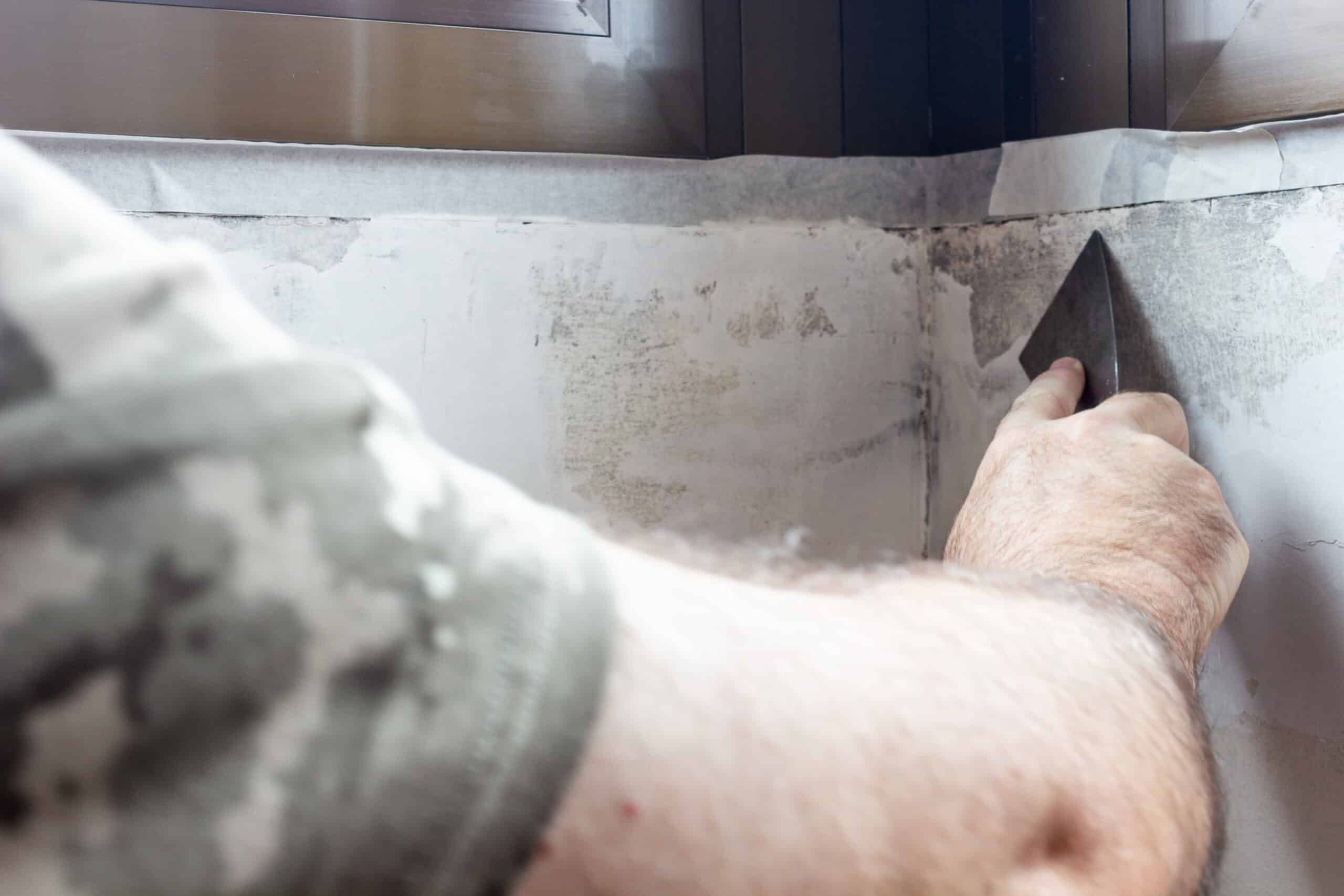
Small cracks are usually sealed with acrylic-based sealants (for example, Sikaflex), while larger cracks are treated with polyurethane materials. The third step is a new covering (paint or render), or coating the envelope walls with a water-repellent sealer (such as siloxane, a silicone-based sealant), or both.
Of course we tell ourselves "I can do that myself" and run to the nearest hardware store for sealing materials. But sometimes that amounts to putting a bandage on a bleeding wound: the sealing we do ourselves will not help, and may only make things worse.

Condensation: when it looks like dampness but is not
First, take note: there is a condition that looks like dampness but is not, and that is condensation on the wall. When we do not air the home enough, and there are large temperature differences between the interior walls and the exterior walls, mold forms.
How do we recognize a condensation problem? We know we do not air the home, the wall has "only" mold and no blistering, and the mold appears mainly around the home's concrete beams. In that case too, an experienced, professional home inspection company can identify the problem and recommend suitable treatment.
A widespread belief holds that dampness problems are construction defects found only in old apartments. Yet an inspection for defects in a new apartment usually turns up dampness problems as well, for various reasons.
What dampness in walls damages, and what causes it
Dampness in walls can cause:
- Aesthetic damage, which is the first thing we see. Black speckles on a white wall do not suit our home, and neither do peeling plaster and damp stains.
- Damage to health, which is far more critical. Mold consists of living organisms that harm the air we breathe, and it is especially dangerous for pregnant women, the elderly and people with asthma. If the mold has developed into a mossy growth, the danger is much greater.
- Crumbling walls. Water in contact with the wall erodes it as it looks for a way out, so the wall will start to crumble if no solution is found for the dampness problem.
- A drop in the value of the apartment or house. If the home has mold or untreated dampness and we want to sell the property, an appraiser who inspects it will find the problem, and the price of the property will come down.
The causes of dampness problems are just as varied. They include:
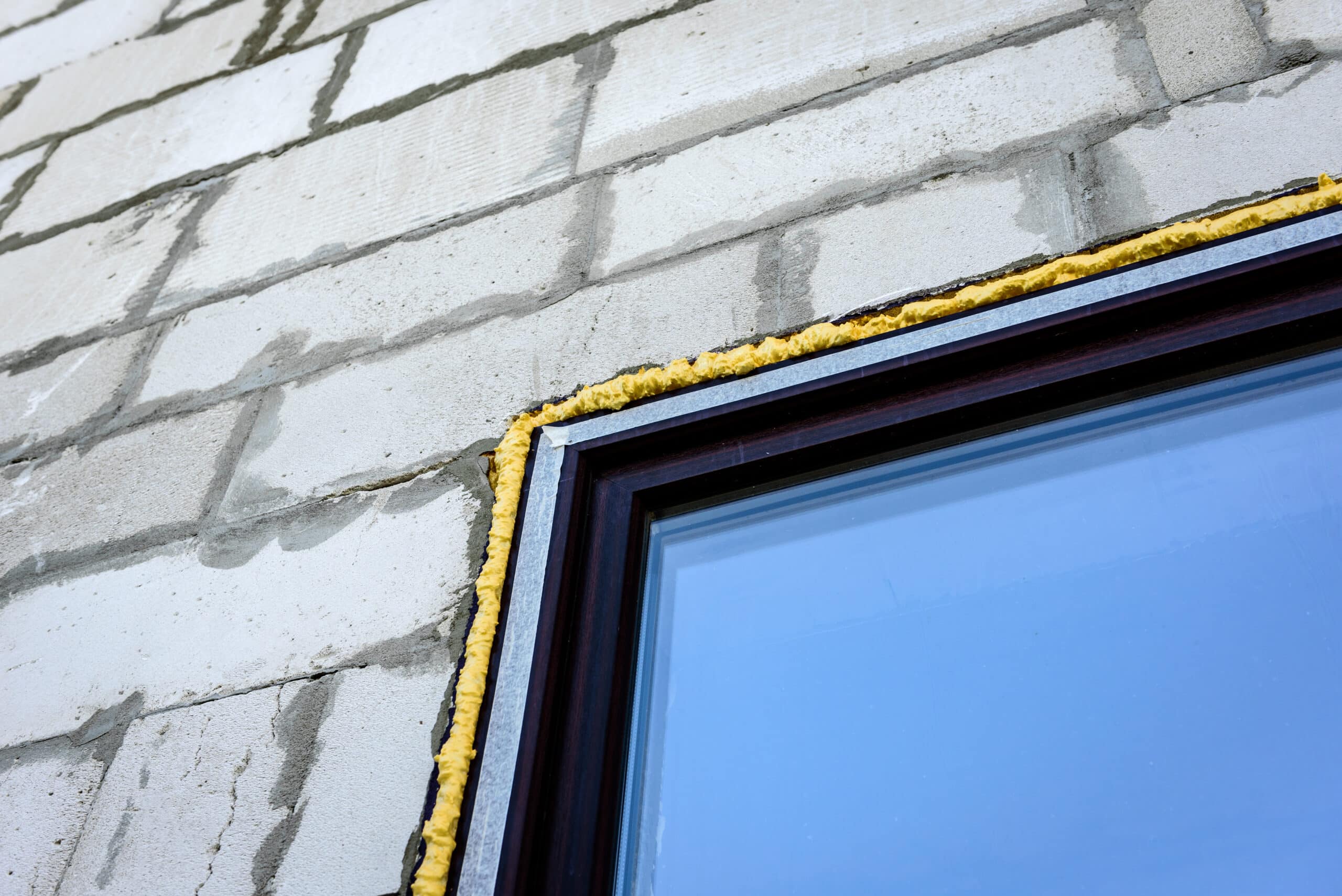
- Faulty waterproofing of an exterior wall: the exterior walls are not sealed well enough, and when water reaches them it penetrates the outer envelope and seeps into the home.
- Faulty waterproofing of the roof: water from the roof can seep down and cause a leak, dampness damage and mold. The sign is dampness near the top of the wall that appears in the winter.
- Natural wear: over time the home's old insulating envelope cracks under environmental attack, such as high humidity combined with salts (common mainly along the coast) and various chemicals.
- A leaking pipe: sometimes a pipe inside the wall leaks, and what we see is dampness in the wall.
- Capillary action: standing water, mainly when there is a leak beneath the floor tiles, slowly climbs up the wall.
You are welcome to follow our Facebook page
The engineers of Arad Bedek Bayit, led by building engineer Ron Arad, whom courts appoint as their own expert on construction defects. The company has been inspecting apartments and buildings since 2001. Engineer Ron Arad · More about the company