

On this page · 3
Checking the plaster in a resale apartment is an important part of a home inspection (bedek bayit), and it often changes the terms of the sale, for good reason. A basic pull-off test can catch crumbling, deteriorating plaster before it becomes the buyer's problem.
A professional inspector will also run a verticality check, a safe room (mamad) plaster check, and an adhesion strength test to confirm the results meet the Standards Institution's threshold. The technical parts of this article were written in consultation with engineer Ron Arad.
What a plaster check reveals
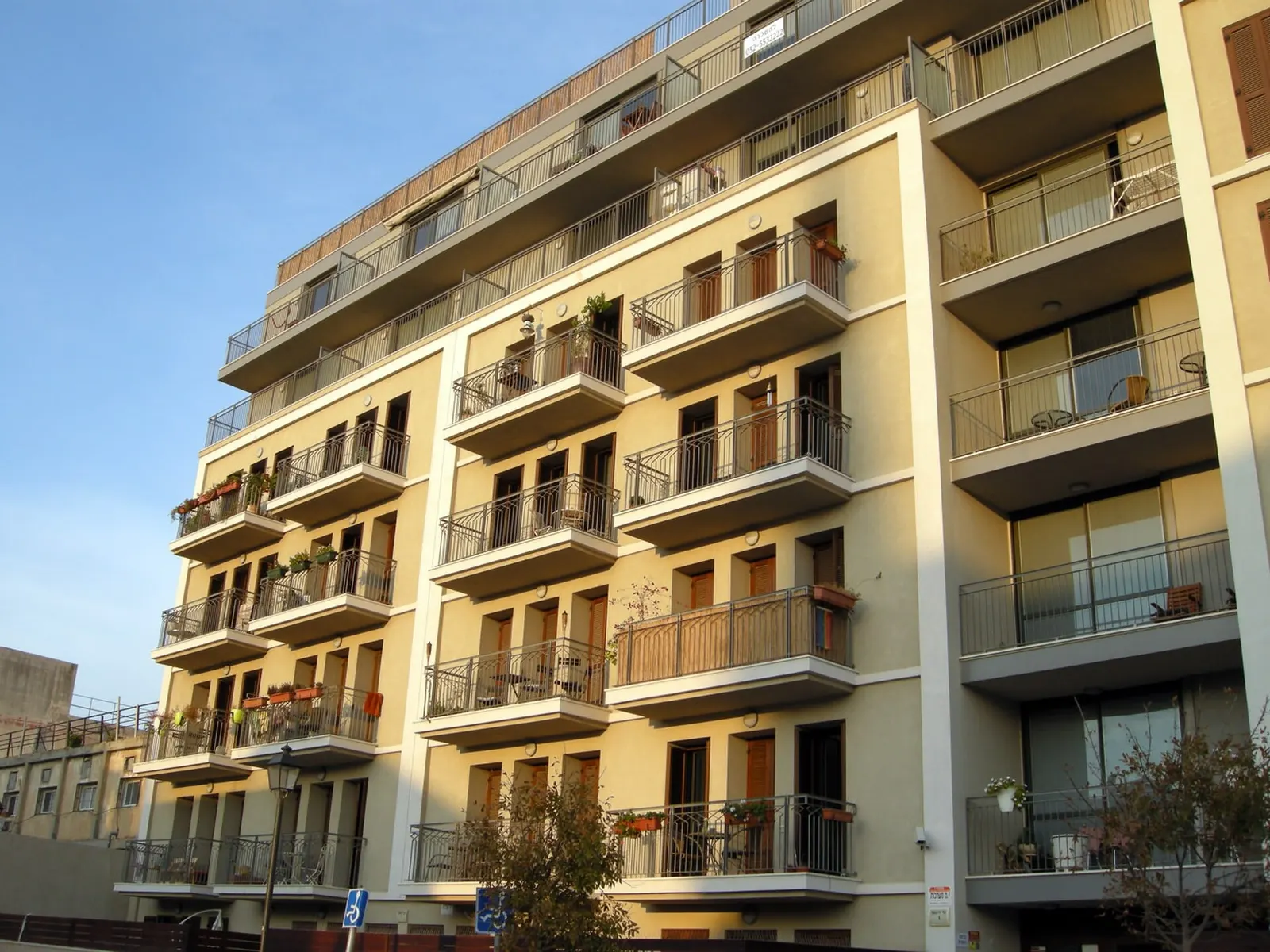
When people think about inspecting an apartment, they mainly picture checking for leaks and dampness, and sometimes go further to flooring, radiation or waterproofing. Who thinks about the plaster? It turns out that plaster checks carried out as part of a home inspection often surface information that leads to further construction defects. Plaster is like skin: it covers up whatever lies underneath.
An expert home inspection engineer knows how to read an apartment's plaster and pull much broader information out of it about the condition of the property you're about to buy.
Plaster is one of the key items checked during a home inspection, whether you're buying this apartment or checking the balconies of a new building or an old house. A home inspection may be the single most useful check you can do for yourself and for the home you want to buy: it's thorough enough to guarantee full transparency and proper disclosure on everything relevant to the structure and infrastructure of the property.
What the plaster check involves
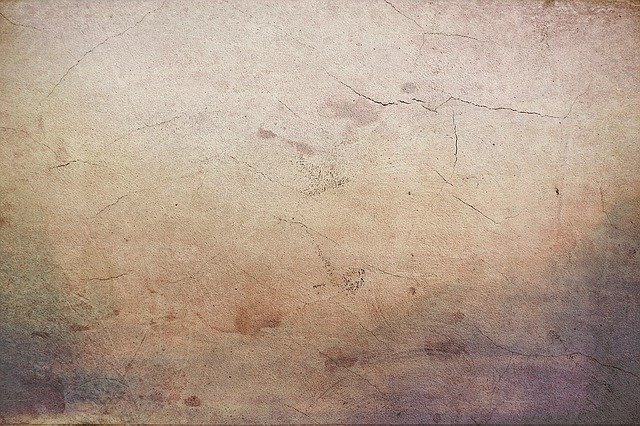
Unfortunately, sellers aren't always aware of every problem in a home they're selling. Setting aside those who deliberately hide information and looking only at what simply fell through the cracks, the resulting damage can still add up to tens of thousands of shekels without much trouble.
Inspecting an apartment before purchase is essential to getting complete, reliable information about what is likely the most expensive purchase of your life, and it ensures transparency and a realistic estimate of what the property will actually cost you.
A home inspection examines a set of key parameters, one of the most important being plaster, a basic component of any building that isn't always sound, tidy and free of cracks or flaws. Checking it in a resale apartment often turns up problems the seller has to fix.
Common construction defects related to plaster
As part of a home inspection that includes a plaster check before purchase, the inspector runs a range of tests to confirm the plaster meets the required standards. Two of the key parameters are:
- Cracks in the plaster: cracks can point to a range of problems, some minor and some serious enough to rule out buying the property.
Cracks can stem from differential settlement of the foundations, ground swelling, poorly applied plaster, or thermal changes.
An expert engineer locates the cracks and classifies them by source. At the end of the check you'll know whether you're dealing with thermal cracks, which are relatively easy to fix, or differential settlement, which can cost hundreds of thousands of shekels to repair.

- Sometimes a flaw in the plaster points to an earlier repair or a wall that was removed. During a home inspection, we try to trace the defect back to its source and work out what caused the original repair. Often that leads us to a dampness repair in a specific area, and from there to a more significant underlying problem.
Together, the pull-off test, the verticality check, the safe room (mamad) check and the adhesion strength test give a home inspection engineer what the Standards Institution expects from a proper plaster inspection.
The engineers of Arad Bedek Bayit, led by building engineer Ron Arad, whom courts appoint as their own expert on construction defects. The company has been inspecting apartments and buildings since 2001. Engineer Ron Arad · More about the company