
On this page · 6
A handover protocol is meant to be a mutual agreement between the contractor and the resident. On handover day the contractor presents the apartment, and the resident walks through it and checks (not as an expert) for flaws in the flooring, scratches on the aluminum and so on. By signing, he effectively confirms that he has seen the apartment and is satisfied with it (apart from the defects he saw, which were recorded in the protocol).
The protocol is meant to protect the contractor from future claims by the resident for repairs of damage that arose after the keys were handed over.
So why, when a resident takes a claim to court (and that happens a lot), does the handover protocol so often turn out to be a worthless document, forcing all sides into a long, exhausting race for evidence?
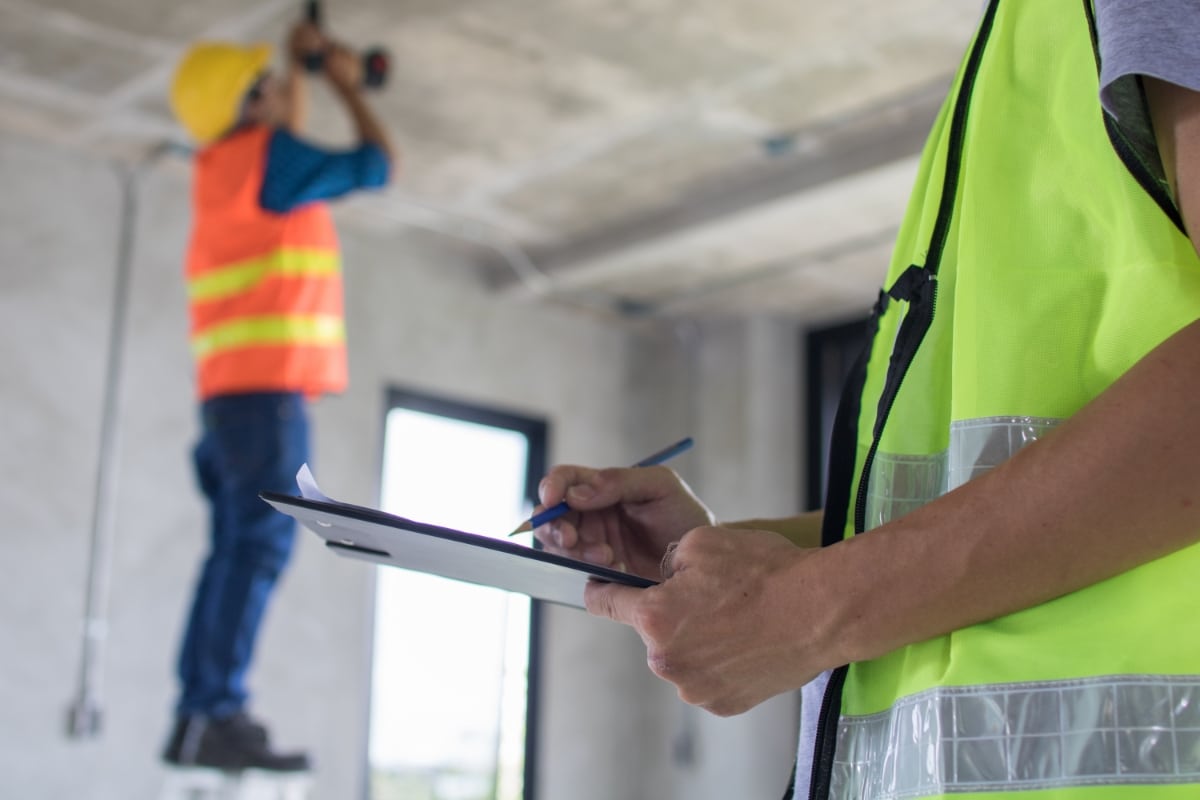
Why do many courts end up not relying on what the protocol says? A home inspection (bedek bayit) of a new apartment from a contractor is a must to make sure the apartment is sound. It is carried out by a professional company with the equipment needed to find hidden defects. See also how to inspect a new apartment.
Why the handover protocol often fails the resident
Most people think of a home inspection for a resale apartment, but what about a new home? The main problem with many handover protocols is the flawed process behind them: the contractor or the site manager pressures the resident to look and sign. The resident does not always check thoroughly, because he too wants to get it over with, trusts the contractor's word, or simply does not know what he should be checking.
Often the apartment has no electricity yet, and the resident simply cannot see the cracks and flaws well enough in the dark, least of all in the toilets and bathrooms, which are much darker. The apartment is not clean enough, and the flooring, the doors and the window panes certainly are not.
That is natural at this stage, but these are not ideal conditions for finding defects. When defects do surface, the problem is proving whether or not they were there on the date of the handover protocol. Go prove it…
When the court sets the protocol aside
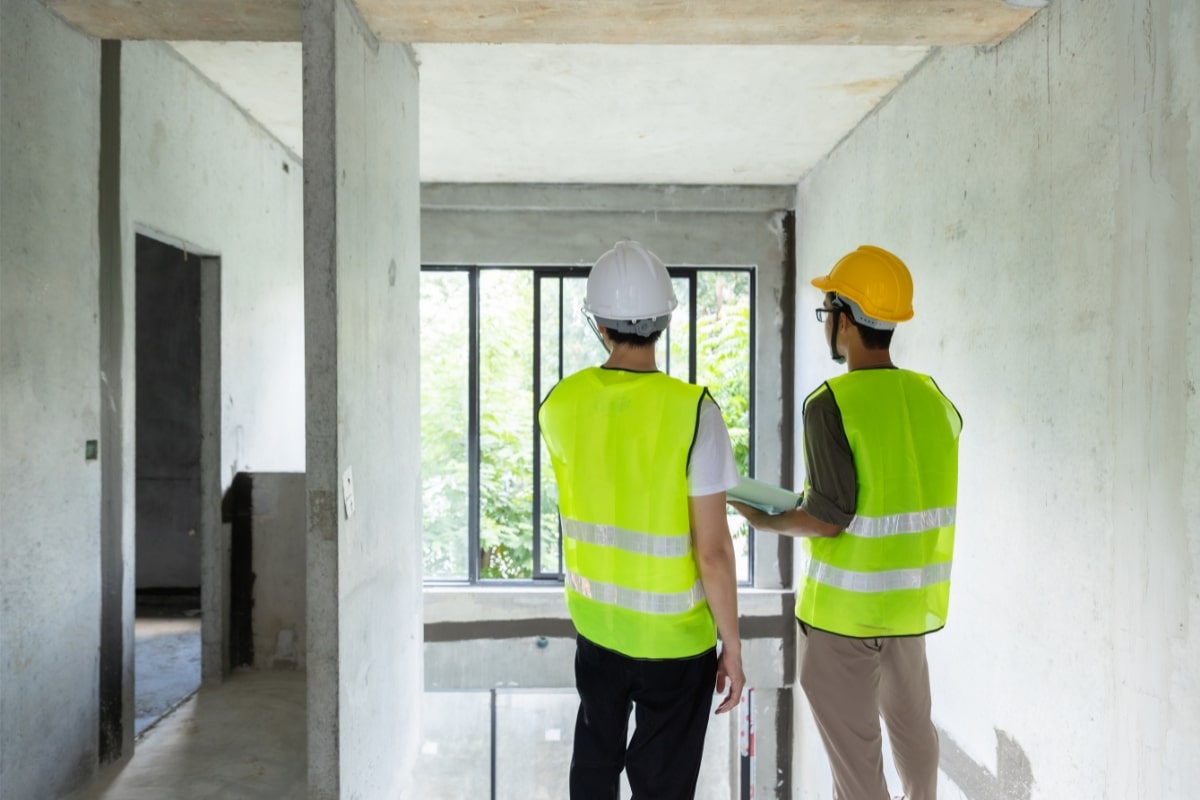
All of this leads to situations where the handover protocol is treated as irrelevant, and the court has to look for an outside building inspection expert opinion.
What is a court to do when the resident argues, rightly, that on the day the apartment was shown to him he was pressured to sign and take the apartment already, and was not given enough time to check it? What can you say when, after the cleaner has cleaned the apartment, a lot of scratches show up on the window? That is usually the reality when new apartments are presented to residents.
A rushed handover hurts the contractor too
It turns out that many contractors know they did not closely supervise the workers who built the apartment, and they do not really trust those workers either. So they fear that a resident who goes over the apartment thoroughly, looking for construction defects, will find many of them, and that this will mean a lot of repairs and expense.
On the other hand, a handover protocol done under pressure and without documentation by the contractor (a written record of what was done and what was said, and above all photographs of the parts of the apartment on handover day) hurts contractors as well.
They find themselves handing over a sound apartment that is damaged only afterwards by the movers, by tradespeople working for the resident, by the cleaning company and, of course, by the residents' own use.
The contractor, too, is tired of being the resident's maintenance man during the first year, repairing damage he is clearly not responsible for while the resident claims that this is how he received the apartment.
What it costs to inspect an apartment from a contractor
Inspecting a building, or an apartment from a contractor, costs little for what it delivers. The price is usually between ₪1,000 and ₪4,000, depending on the size of the property, the level and scope of the inspection, the client's purpose and more.
The findings usually offset this sum: you pass the defect report you receive at the end of the inspection on to the contractor, and the cost of repairing the faults is deducted from the price of the property.
Why a new apartment needs an inspection too
To be sure you are buying the property as you see it, do not skip the home inspection. Many people wrongly assume that a new apartment from a contractor does not need one because it is new. That is a big mistake: a new apartment needs an inspection, perhaps even more than an old house.
A new apartment usually looks flawless, which is very misleading, because there are often major failures that only an inspection for construction defects can reveal. Experts in the field carry out a comprehensive, in-depth inspection so that you know exactly what you are getting.
It changes the atmosphere and makes for a smooth move into the home. That is why it is important to have the apartment inspected thoroughly, before the move or close to it.
How to make a handover protocol reliable
Retired judge Yitzhak Milnov argues that a fair process, conducted transparently with the resident, would reduce the number of lawsuits we see today.
Contractors should hand over a truly clean apartment (even with a bouquet of flowers),
go through every part of it with the resident slowly and patiently, show him each part, and film the whole walk-through,
including photographs of the apartment, as documentation for the handover protocol. That makes the document admissible and protects all sides.

And what should you, the residents, do?
First, do not rush on this day, and demand all the time you need (just like on the day you spent with the salesperson who wanted you to buy). Demand a clean apartment (window panes included), and if it is not clean, document that you asked and photograph how the apartment was presented to you.
Bring a powerful flashlight to see the unlit places, go through the apartment meter by meter and not just "the main things",
and photograph and document.
That gives you a much better chance of spotting the visible construction defects, such as cracks and paint flaws. Be aware, though, that there are dozens more construction defects worth finding with a home inspection expert: defects in materials and faulty installation, deviations from the standards, dampness and waterproofing problems, and many others that only the eye of a building inspection engineer can recognize.