

On this page · 6
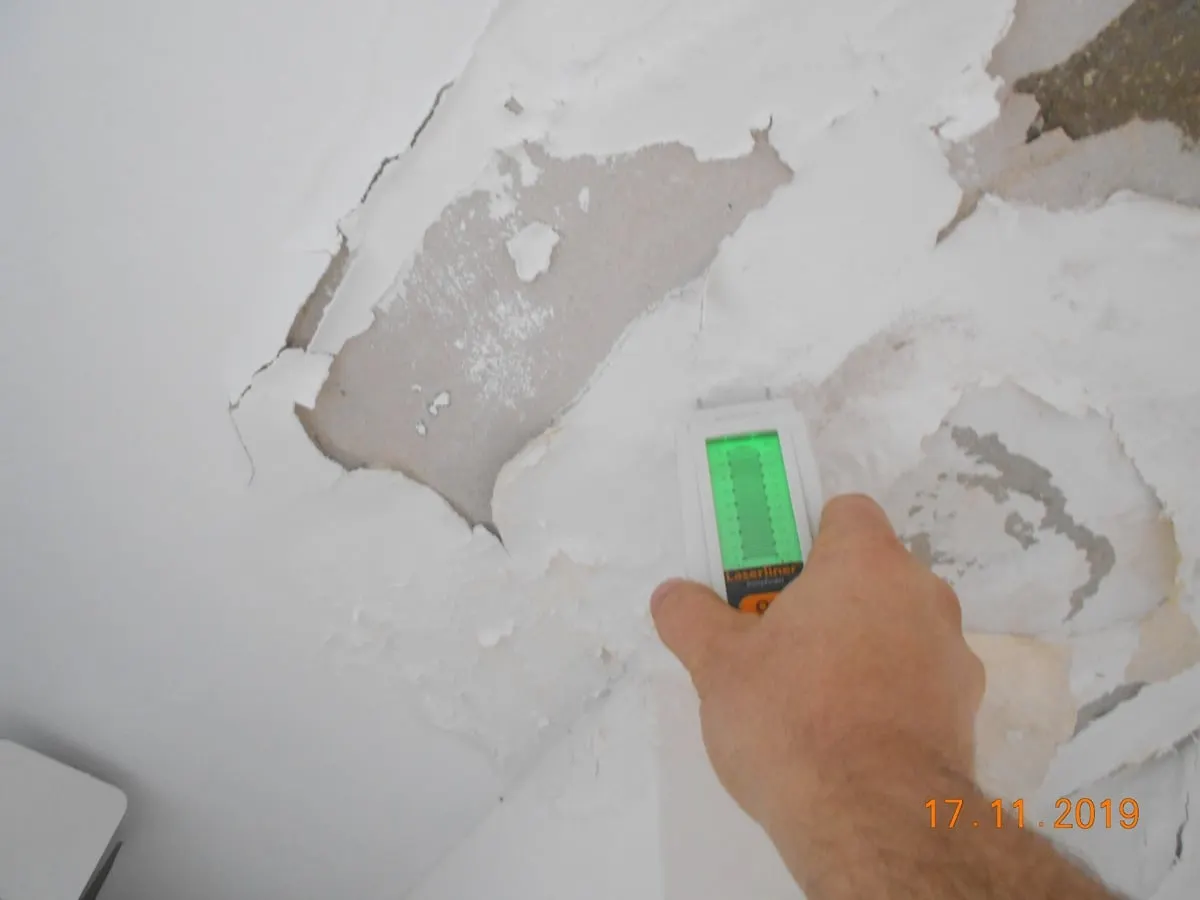
Leaks and failed waterproofing are common problems, and most of them can be prevented by a home inspection (bedek bayit) that covers waterproofing and dampness. In a professional inspection, a waterproofing and dampness expert checks the walls of the home for waterproofing problems.
The issue is important enough to give it the time it needs before you close a deal, or as soon as possible after you first suspect a problem.
In home inspection work, leaks, waterproofing and dampness are central and often decisive issues when you buy or rent a home.
Why leak detection matters
Leak detection is essential to prevent dampness problems: waterproofing failures and leaks are among the most common and most troubling construction defects.
Arad Bedek Bayit offers solutions tailored to the different kinds of dampness problems:
Dampness inspections, expert opinions and repair reports
A dampness inspection and an expert opinion by an engineer, prepared for court and including a cost estimate for the repairs.
Intended for:
a) Owners of new apartments from a contractor
b) Buyers of resale (second-hand) apartments, before the purchase
c) Buyers of resale apartments, after the purchase (a claim against the seller)
d) Disputes between neighbors
e) Insurance claims
Leak detection and an assessment of the waterproofing problems, ending in a detailed engineering report that you can hand to a tradesman to carry out the repair (we can refer you to suitable professionals). Intended for any case where the resident has the repair done directly, without a lawsuit.
Gutter leaks, condensation and wall waterproofing
Detection of leaks from gutters, including repair on the spot using a unique technology. Intended for cases where a leak from a gutter is discovered. Condensation problems, which show up as mold and as water condensing on walls and windows, and wall waterproofing problems.
Expert opinions prepared for court or for a repair by the resident.
How is it that in a country with so little water, waterproofing and dampness defects rank first among construction defects? Dampness, leaks, mold and condensation are familiar to almost every resident. These defects cause cumulative damage, to the point where it is hard to repair, a constant loss of quality of life and, in some cases, rheumatic diseases.
Our engineers often come across dampness problems that were treated the wrong way (mostly by plastering and painting over them), which made the problem worse because the sources of the dampness stayed active.
It turns out that although (and perhaps even because) Israel does not get much rain, waterproofing and dampness problems are extremely common. They are among the most frequent defects in new apartments handed over to residents directly by contractors, and certainly in resale apartments that have already been through quite a few winters…
Read more:
Condensation and its consequences
Dampness penetrating from balconies
Dampness problems in shared buildings
Dampness in prefabricated buildings
Dampness from an external water source
An external water source usually means rainwater that gets into the building through faulty waterproofing. The typical entry points are the balcony, the garden, the exterior walls and the roof.
How dampness develops in a bathroom ceiling because of a leaking pipe
At first:
After a year:
How dampness develops above the baseboards through capillary rise of water from a wet sand bed
At first:
After a year:
How rainwater gets in when the waterproofing falls short
Each of these elements, the balcony, the garden, the exterior walls and the roof, is waterproofed in its own way under the relevant Israeli Standard. Failing to meet the standard, or to follow a proper work process, can leave a flaw in the waterproofing that lets rainwater into the building.
What dampness does to a home over time
Dampness that spreads over time brings, beyond the aesthetic damage anyone can see, other serious harm: higher humidity in the apartment, aggravation of certain allergies and of rheumatic diseases, mold and other microorganisms, unpleasant odors, damage to furniture, to the thermal insulation and to building materials (such as wood, gypsum board, plaster and metals), and in severe cases damage to the steel reinforcement in the concrete and, as a result, to the stability of the structure.
The great majority of these problems can be avoided by identifying the source of the dampness correctly and early. It is hard to overstate the importance of keeping track of dampness and condensation problems so that the damage is kept to a minimum.
Because dampness accounts for such a large share of the construction defects found in apartments and buildings in Israel, Arad Building Inspection has set up a dedicated department that locates and identifies dampness problems and provides practical solutions for them.
The department is headed by a senior engineer with specialized training from the Technion in dampness problems.

The engineers of Arad Bedek Bayit, led by building engineer Ron Arad, whom courts appoint as their own expert on construction defects. The company has been inspecting apartments and buildings since 2001. Engineer Ron Arad · More about the company