

On this page · 4
Exterior cladding can crack, crumble or fail for several reasons, and when it does, it is the contractor's responsibility, even in new houses. Knowing the causes helps you assess how serious the problem really is.
Why cladding stone crumbles
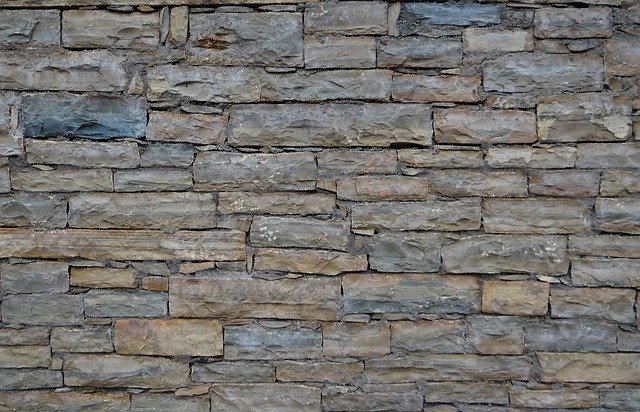
Lately we've been seeing cladding stone failures on the exterior walls of buildings, showing up as cracks or crumbling that can be dangerous enough to hurt someone. The stone is often unsound to begin with or poorly installed, or it was never properly matched to the local climate, which speeds up erosion. This is exactly the kind of defect a home inspection (bedek bayit) should look for.
Marble and stone cladding are common in modern construction, attached using methods such as wet bonding, precast panels, or bonding combined with mechanical fixing. Most stone cladding uses soft stone, and the type has to suit the local climate: a home near the sea, for example, needs a stone that holds up well in that environment.
The inspection should confirm that the cladding was checked and that the architect signed off on the chosen stone, and that the contractor tested it against the required standards, safety included.
That testing should cover the stone's weight, bending strength and water absorption, along with its resistance to salt crystallization in a coastal environment, to extreme heat and cold, and to wind, foundation settlement and general wear.
Whether you're buying a resale or a new home, get the cladding checked: a resale apartment inspection matters here just as much as an inspection of new construction does. Many buyers assume there's nothing to check in a new property from a contractor, but that's a mistake: most cladding defects actually turn up in new houses and apartments.
People tend to blame ordinary wear and tear, but as explained above, the real causes are usually a failure to meet standards or the wrong choice of cladding. None of that is the buyer's fault, and it would be unfair for them to pay for repairs caused by a contractor's mistake.
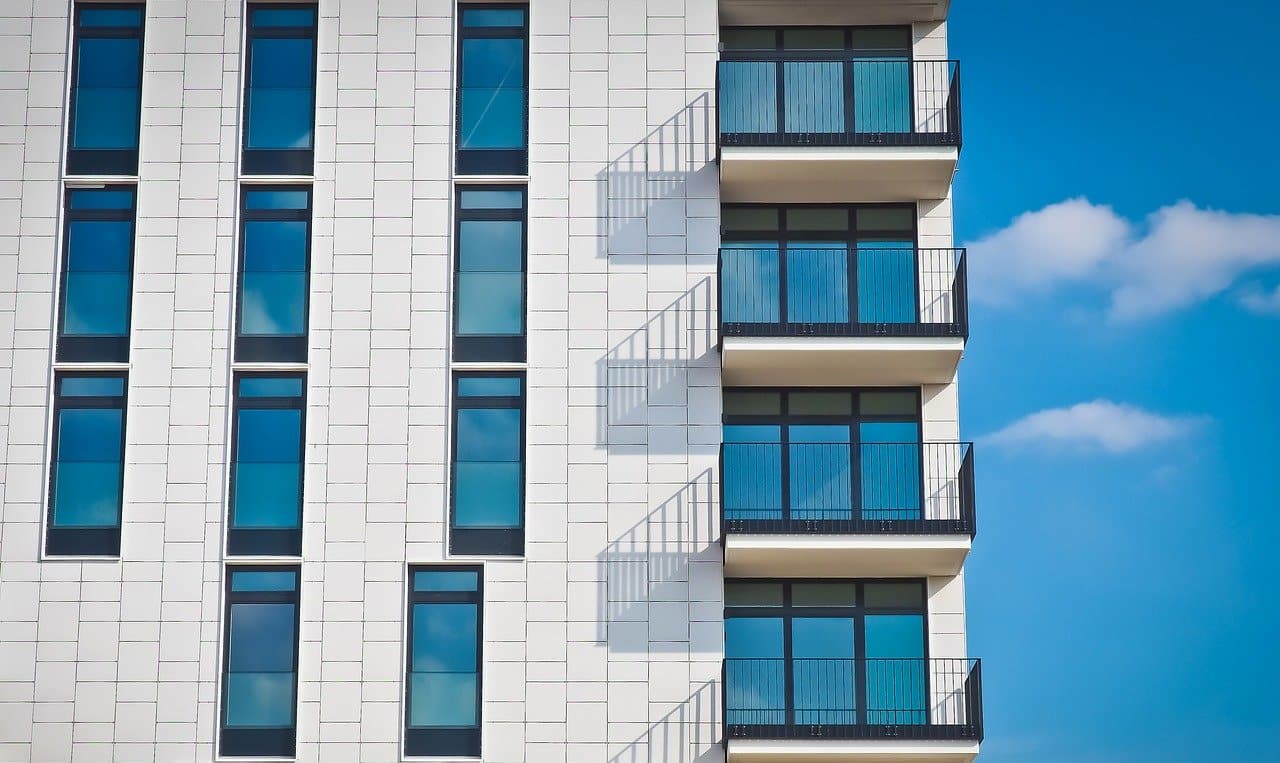
Catching the problem early makes it easier to hold the responsible contractor to the cost of repairs. These faults are expensive to fix and tend to create further problems with dampness and waterproofing, and beyond the nuisance, crumbling stone cladding can be genuinely dangerous.
The danger of falling cladding tiles
Falling tiles are one of the most worrying problems in exterior cladding today, and construction defects here can end in serious disasters. We keep hearing about injuries, some severe, from cladding tiles that fell and hit children playing in a building's yard, or cars parked below.
Buildings use several stone-cladding methods, and most detachment problems happen with the bonding method, which has no mechanical anchors. If a building is clad this way, the work has to follow the strictest professional standards: not every stone can be bonded, and at the time of writing there is still no Israeli standard covering the bonding method itself.
Flaws in tiles
Stone tiles can develop several kinds of flaws, cracks, breaks, rust and more, and all of them get worse over time from wear caused by UV rays, water, wind or proximity to the sea.
Starting the cladding
Cladding should start below ground level, to keep water out and give the wall a clean, professional finish.
For more on the danger of tile detachment, see exterior cladding.
For any question about cladding defects, contact us and we'll give you a full answer. We're available at every stage, with no need to wait, and we believe in direct, personal service. If you haven't had a home inspection done on your house yet, do it soon, so you can claim what you're owed.
The engineers of Arad Bedek Bayit, led by building engineer Ron Arad, whom courts appoint as their own expert on construction defects. The company has been inspecting apartments and buildings since 2001. Engineer Ron Arad · More about the company