

On this page · 3
A kitchen inspection has to be thorough, because everything that happens at that counter, cooking, cleaning, cutting, leaves its mark on the cabinets and work surfaces themselves. The result can be construction defects that make them harder to use, or unusable altogether. This time we focus specifically on the kitchen countertop.
The countertop is where most kitchen work happens: boiling pots get set down on it, dishes get washed on or near it, and salads or meat get cut on or around it. A home inspection needs to check this surface thoroughly.
How construction defects in the countertop are found
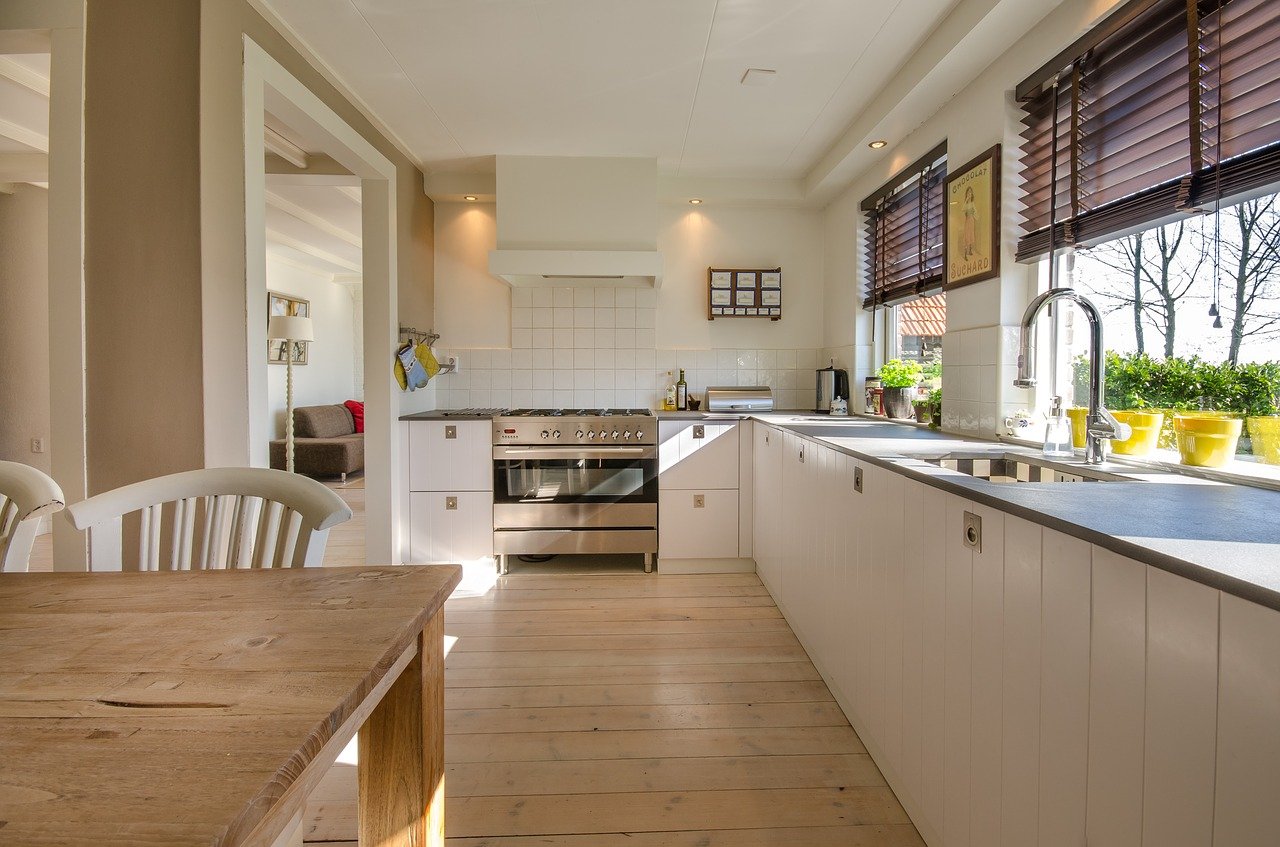
There are several types of construction defects in a kitchen countertop. Installation defects: these turn up during a kitchen-related home inspection.
-Crooked walls leave gaps that are too large between the countertop and the wall it is supposed to sit flush against. Contractors seal these with silicone, the most common fix in the industry, but the silicone peels over time, on top of the aesthetic damage the gap itself causes.
-Gaps between sections that are too wide: a countertop is usually made of three sections glued together, and the inspection confirms they sit at a uniform height and join evenly. Gaps between them, whether from wear or faulty installation, are unwanted.
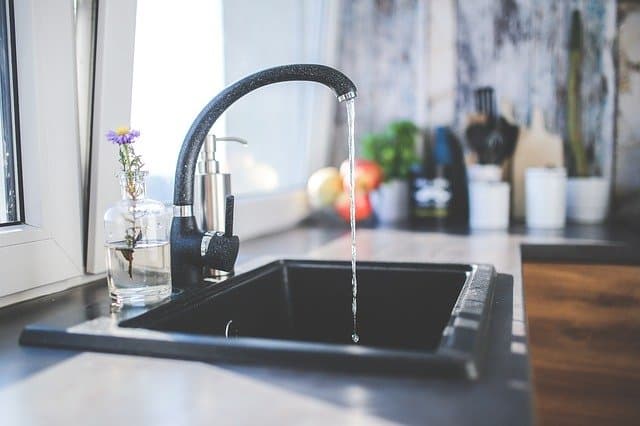
-The slope meant to drain water toward the sink installed backward, so water runs off the outer edges instead, creating a health and visual hazard as well as accelerated wear on the surface.
-The countertop, or the cabinets themselves, installed in dimensions other than what the contractor specified.
All of these violate Israeli Standard SI 4440.1 and SI 4440.2, and require proper correction by professionals.
Cracks or breaks in the countertop
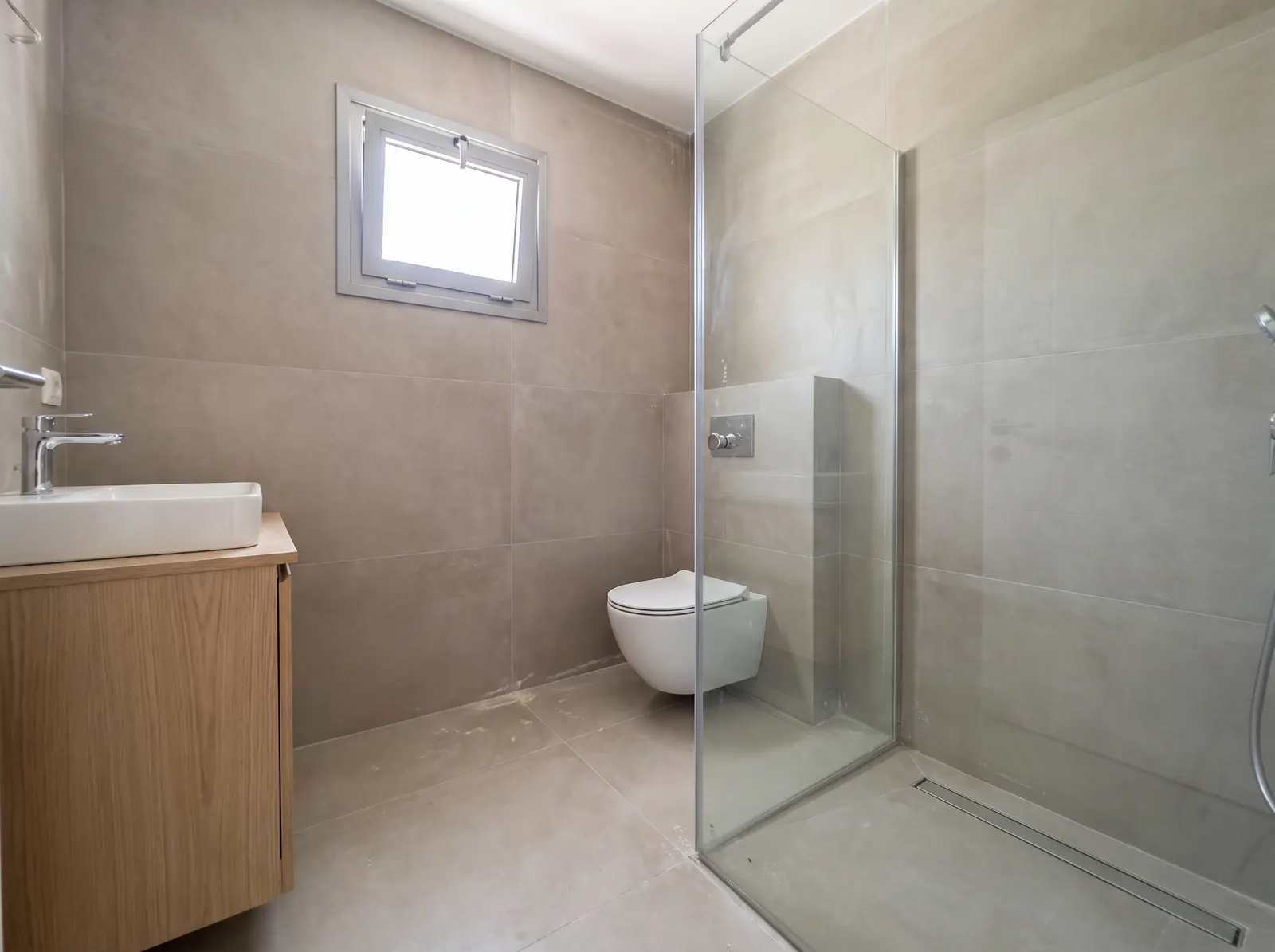
It is also worth checking the shower stall slope standard and the bathroom generally, alongside the kitchen countertop. Breaks or cracks often form in one of the countertop surfaces, and a home inspection should catch them easily: they can let water leak into unwanted places, get absorbed into the walls or floor, and cause real problems down the line.
Since a crack in stone cannot be repaired, and cracks only grow over time, the entire stone slab has to be replaced, and if no slab is available in a matching shade or color, that means replacing the whole countertop.
Sinking of the countertop, or part of it: one of the most common problems, again creating too large a gap between one section and the others. The fix is to reinforce the supports, sometimes including the supports of the kitchen cabinet itself.
A home inspection covers the countertop and its possible defects too. Today's standards are detailed enough to cover all of this, and it is worth insisting on compliance, since the contractor is obligated to meet it under the Sale (Apartments) Law.
Kitchen home inspection
Handover protocol: once you've bought an apartment or new home with a kitchen, check that everything is in order before using it, so responsibility for a fault that isn't yours does not unfairly land on you.
If you spot dampness, leaks, cracks in the walls and the like, you need to be able to prove it against the contractor. An experienced home inspection company can check things that are harder to detect, like crooked walls or damage hidden behind the kitchen cabinets.
Faults like these can cause a great deal of damage to the whole home, with costs that only grow the longer they go unfixed.
What makes a kitchen inspection so important
A kitchen inspection is meant to catch the kinds of faults you usually cannot spot by eye. Some only show up after you start using the kitchen, and by then it is often too late to hold the contractor responsible. Catching a fault before the kitchen is ever used saves you unnecessary expense, and a lot of the headache that comes with this type of construction defect.
Anyone buying an apartment, a new home, or even just a new kitchen on its own, should order an in-depth kitchen inspection, especially when an apartment is being bought or sold. The sooner you find defects that were already there before you moved in, the more renovation cost and wasted money you avoid.
A kitchen inspection ranks among the most important checks in the home, because it also covers points that affect the whole apartment, such as the infrastructure, water piping and electrical systems.
The engineers of Arad Bedek Bayit, led by building engineer Ron Arad, whom courts appoint as their own expert on construction defects. The company has been inspecting apartments and buildings since 2001. Engineer Ron Arad · More about the company