

On this page · 3
Pipe defects are critical defects that affect your quality of life. Before you move into a home, the piping must be inspected to make sure the contractor has not left a fault. Arad Bedek Bayit finds dampness defects and all kinds of pipe defects every day.
Construction defects that come from problems in the design and installation of the piping, and count as pipe defects:
- Corrosion (rust) at the joints
Typical mainly of steel piping installed up until about 10 years ago.
Consequences:
Leaks:
- Exposed plastic piping that is vulnerable to damage.
This is contrary to the standard.
Consequences:
Mechanical damage, and damage from the sun's UV rays:
- Too few inspection chambers in the drainage piping.
The standard requires an inspection chamber at each of the following points:
a) A change of direction in the piping.
b) The start of the drain.
c) The connection of a side drain.
d) Every section of the drain whose length equals the drain's nominal diameter multiplied by 100.
Consequences: blockages, and difficulty clearing them.
These leaks can be located with an advanced method: a balloon is inserted into the pipe and reveals where the leak is.
Why the piping should be inspected before you move in
The piping supplies cold and hot water to the sanitary fixtures in the home, and it also carries the used water away to the municipal sewage system. Because water runs through it, a pipe defect will often lead to dampness in the building and can cause serious damage and flooding, which is why dampness defects should be traced at the earliest stage.
Dampness caused by a leaking pipe is one of the best-known construction defects, and it recurs all the time. In fact, complaints about pipe defects and dampness make up more than half of all residents' complaints.
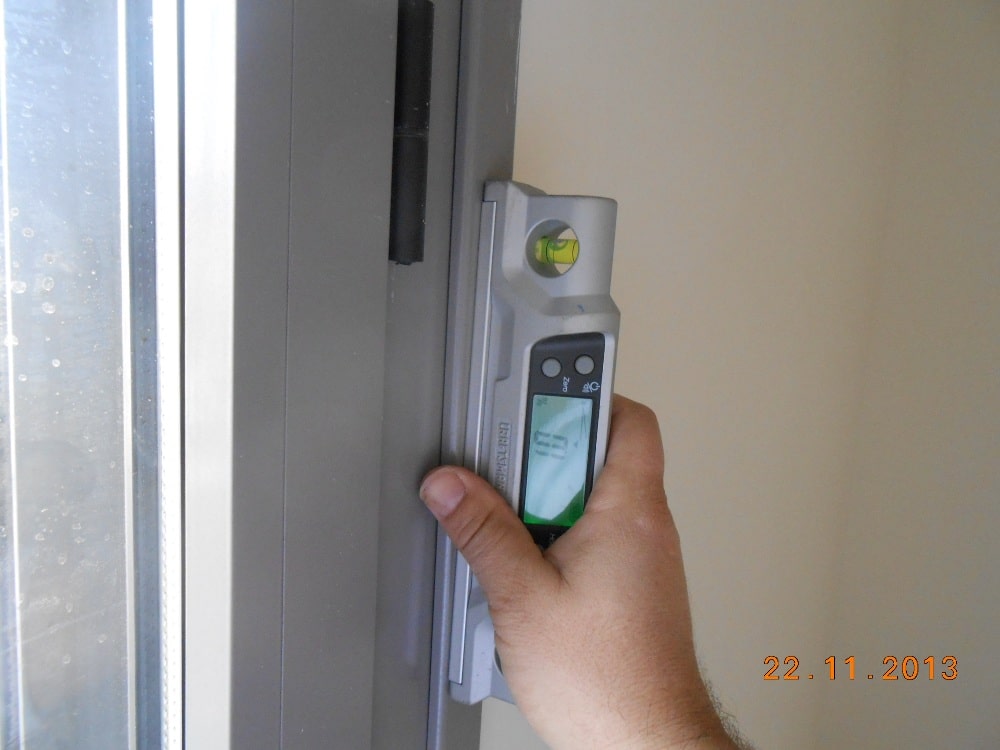
Where the problem sits usually differs between plastic piping and iron piping. In plastic piping the defects are mostly at the joints, and it often turns out that non-original parts were used, which contractors do quite often.
A leak from iron piping often originates in corrosion. Why inspect the piping before you move in, and how does tracing dampness defects help at that stage? The inspection period (tkufat bedek) for pipe defects is limited to up to two years from the handover of the apartment by the contractor or seller to the buyer.
During that time the contractor has to take responsibility for the construction defects, but if the problem comes to light years later, it will be too late to exercise your rights.
Iron pipes, plastic pipes and what the standard allows
Construction defects in a new building: most of us know that the piping installed in the past was usually iron. In recent years various types of plastic pipe have come into use, to avoid the problem with iron piping: rust and corrosion, and the many leaks that follow.
It is not always clear where a leak is coming from, because water pipes run inside the walls, under the floors, or both. The areas with the most piping are the wet areas: shower, toilet, kitchen and the like. A leak is not a simple situation: sometimes floor tiles, ceramic tiles, a bathtub and more have to be removed.
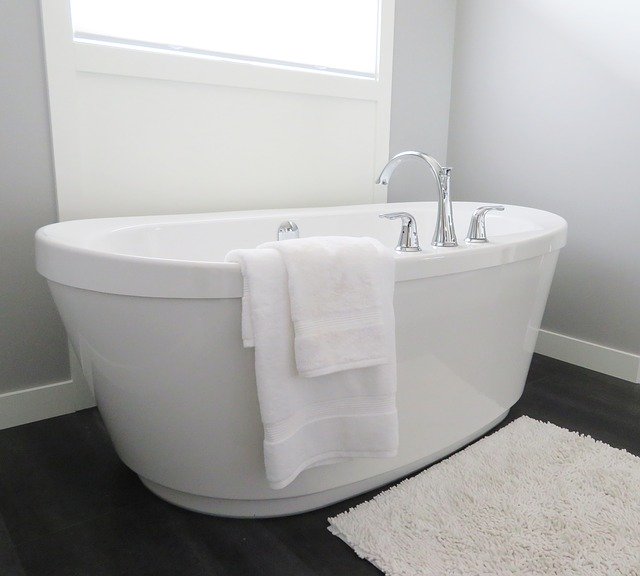
Where the piping is concerned, part of the home inspection (bedek bayit) is to check not only that there are no defects but also that the installation meets the standards, which makes things easier if a fault does develop in the future.
For example, Israeli Standard 1205 prohibits installing a water supply system under the flooring of a shower, a bathroom, a bedroom or a toilet. It is allowed only in the kitchen area, the corridor and the balconies.
Tracing dampness defects takes a skilled team and the right equipment
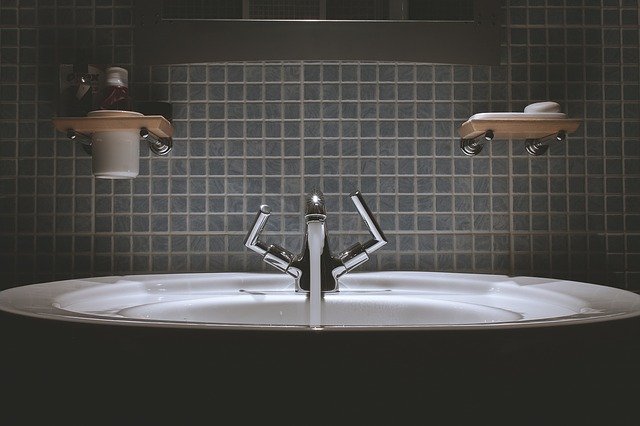
Dampness defects should be traced by a skilled team, because young home inspection companies often arrive without adequate capabilities and miss important details, and even critical defects. A quality pipe inspection takes an experienced, skilled team, and it also takes advanced instruments and quality equipment.
Some defects anyone can see, some only a professional eye or ear will catch, and some cannot be found without suitable instruments and equipment. Pipe defects are of that last kind: advanced equipment is a must for accurate results.
After a thorough inspection you receive a binding report. If defects of one kind or another were found, and the warranty period set by law still applies, the contractor is responsible for repairing the defects that fall under his responsibility.
Checking the home's infrastructure will save a great deal of money and needless trouble later on, and defects of this kind are particularly unpleasant to discover after you have moved in, above all into a home you have bought.
The engineers of Arad Bedek Bayit, led by building engineer Ron Arad, whom courts appoint as their own expert on construction defects. The company has been inspecting apartments and buildings since 2001. Engineer Ron Arad · More about the company