

Where do you turn when you find dampness in a contractor-built apartment? And if the exterior cladding turns out to have defects, is the contractor liable, and for how long? Sometimes the defect is severe enough that the cladding is crumbling, in which case it's worth checking whether the contractor's liability for exterior cladding still applies. Catching dampness early can also head off cracks in the wall.
A dampness problem in an apartment usually triggers a cascade of related problems, so it's important to deal with it quickly. Some assume dampness only affects old, poorly maintained buildings, but it can show up in a brand-new contractor apartment just as easily.
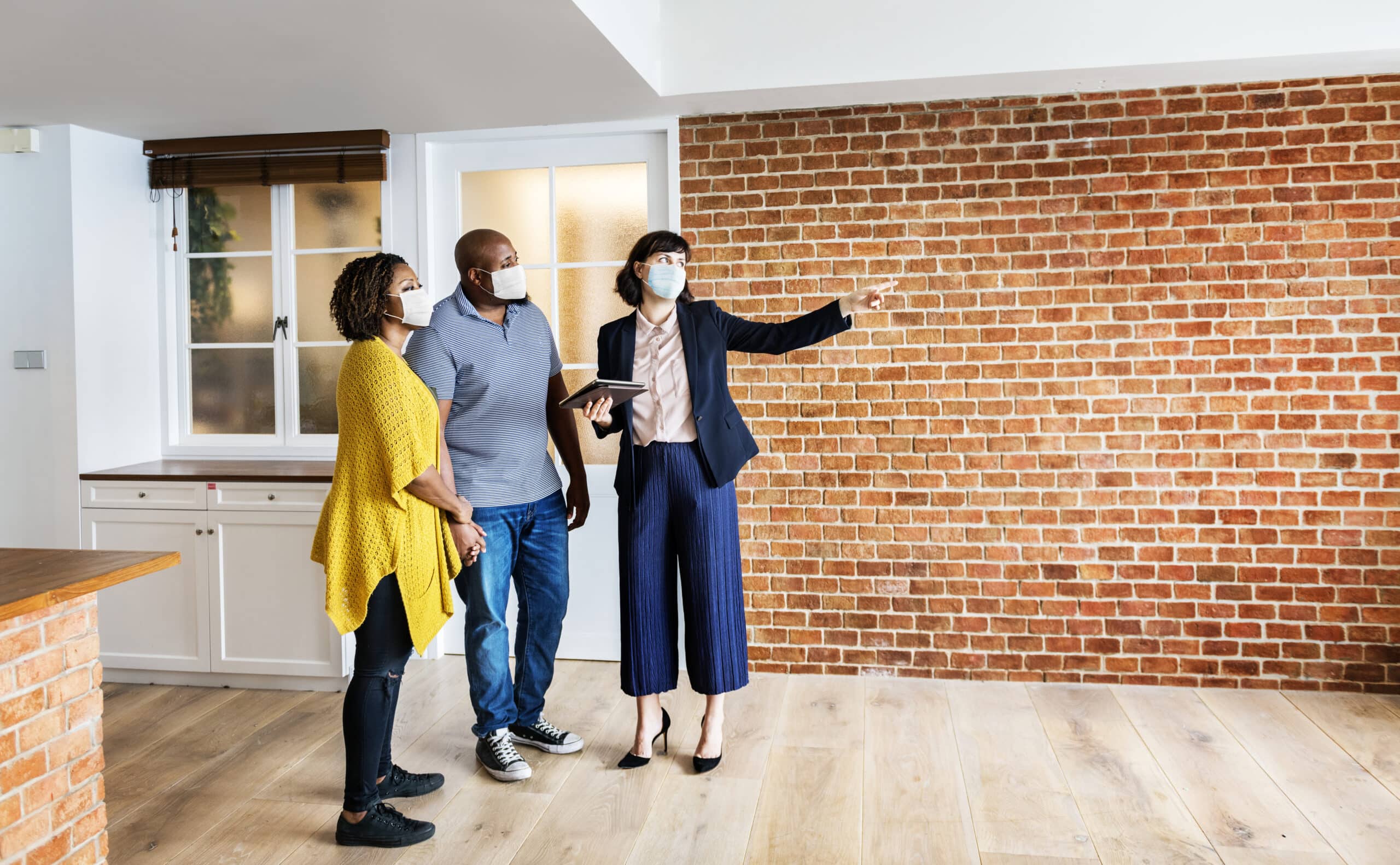
Buyers expect a contractor-built apartment to be flawless. But an apartment isn't an off-the-shelf product, and construction defects, common or rare, do turn up, dampness and leaks among the most frequent. That's why it pays to get a home inspection before you take the keys.
One approach: before you even move in, hire an engineer to check for defects and run a building inspection, including leak detection if any areas show signs of dampness. The check itself doesn't take long. Within a few hours, the engineer can tell you exactly where the apartment stands.
Under the 1973 Sale Law, the contractor must fix these defects at no cost to the buyer. The law recognizes two periods: the inspection period and the warranty period. So if you find dampness or a leak in a new apartment you bought from a contractor, rather than a resale, your best route is under the Sale Law.

Exterior cladding: defects in the cladding
Stone cladding can hide plenty of construction defects, so before you buy, it's worth having a real-estate appraiser check its condition, from structural problems in how the stone is fixed to the wall, which can be life-threatening, to purely aesthetic flaws. In general, it's better for defects like these, minor or serious, to surface during the inspection period, when the contractor's responsibility is clearer.
Natural stone goes through a long process: quarried, cut, transported to the site, and fixed to the wall. Along the way, stones can break and crack, usually at the edges. The standard for natural stone cladding requires the stone to be sorted before installation; a broken stone should never go on the wall patched with an extra piece.
Cracks come in different types, each with its own cause and its own fix. They include:
- Temperature cracks, mainly a cosmetic issue
- Horizontal or vertical exterior cracks at the joints between blocks and concrete elements
- Diagonal cracks at a 45-degree angle
- Through-cracks, horizontal or vertical, visible from both outside and inside at the joints between blocks and columns, ceilings, or beams, including cracks that appear only after several years of living in the building.
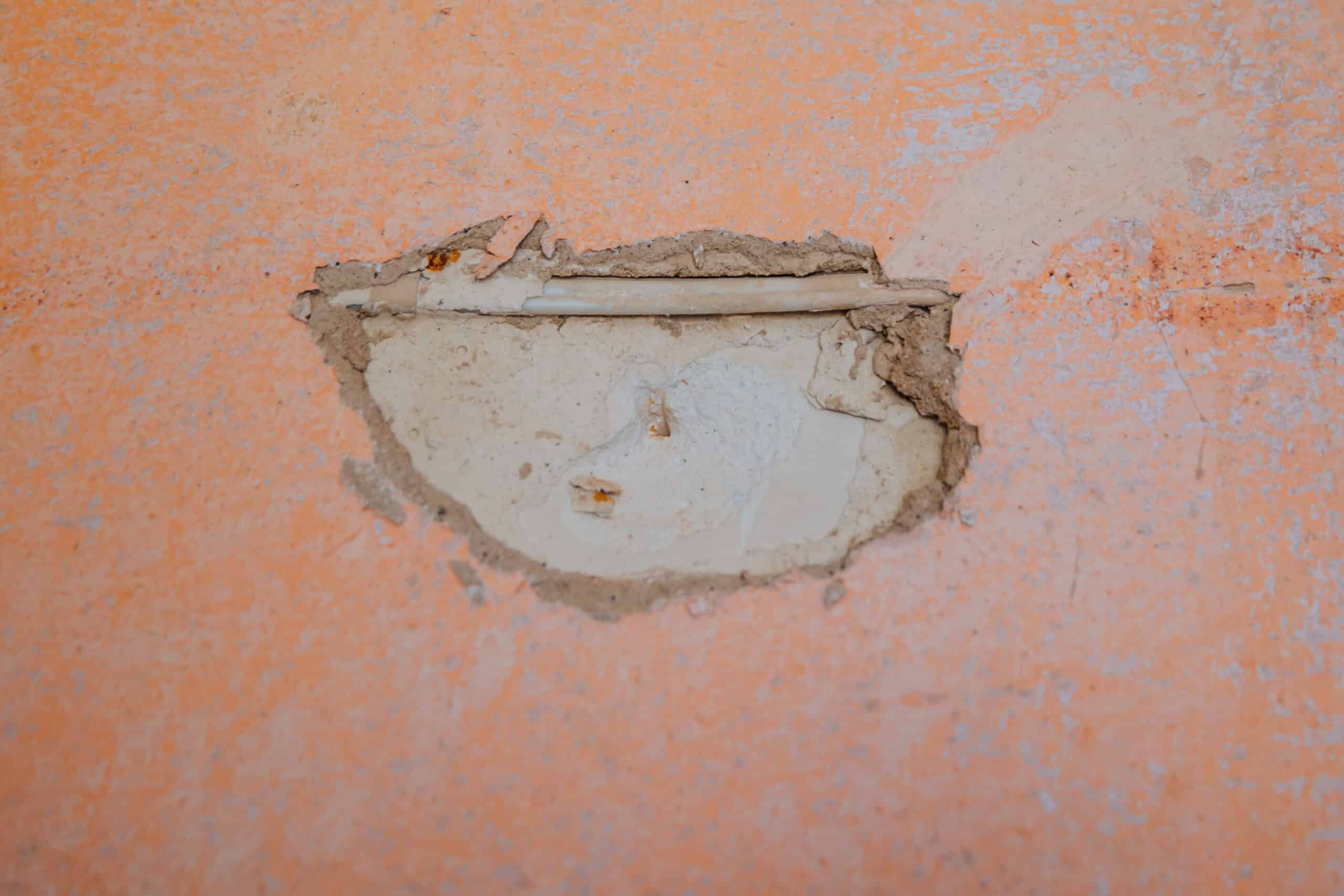
Crumbling exterior cladding
Exterior plaster is one of the most common finishes. Beyond giving a building's facade its look, it seals the walls against water from outside.
It is made of three layers: a bottom spatter coat that seals the wall against water, a leveling coat that absorbs the load of the layers above it and resists weather damage, and a decorative top coat that gives the facade its finished appearance.
Common construction defects in exterior plaster include cracking, water penetrating into the interior walls, and the plaster detaching and falling off over time, for various reasons. The main one is a chemical mismatch between the plaster layer and the substrate beneath it, which weakens the bond between them.
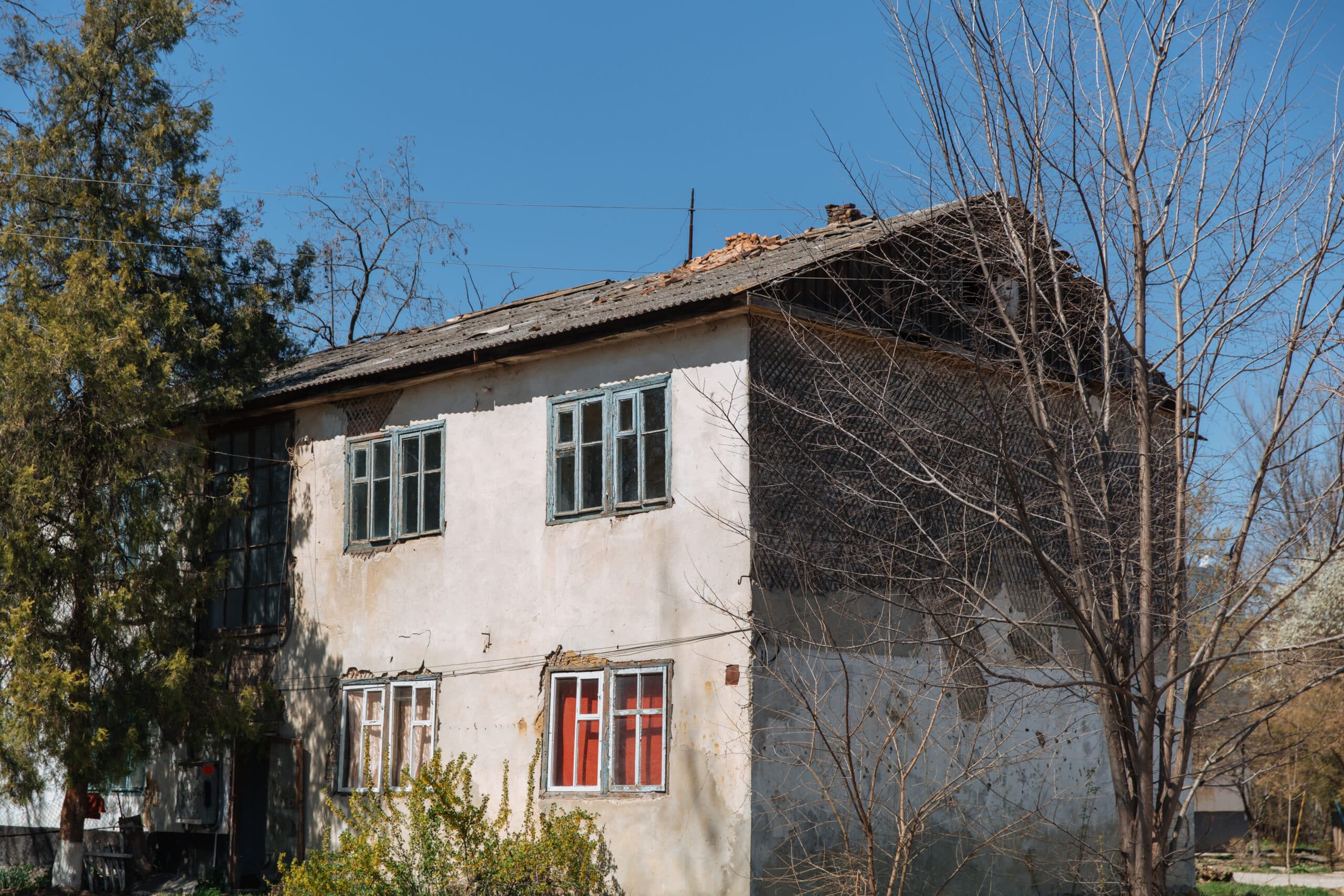
Contractor liability for exterior cladding
Under the Sale Law, the inspection period for failures in a building's waterproofing, including underground spaces, walls, ceilings and roofs (light roofs included), is four years. During the inspection period the contractor carries the heavier burden: they have to prove the damage is not their fault, not the other way around.
That is why it's worth bringing in a reliable, experienced home inspection company while the apartment is still within its inspection period: defects found during that window are generally treated as the contractor's exclusive responsibility.
The Sale Law also sets the inspection period for significant cladding peeling at seven years. So pay attention to how much time has passed since you received the keys, and report any defect as soon as you spot it.
The contractor's liability under the Sale Law ends when the warranty period expires, three years after the inspection period. For some defects, the Sale (Apartments) Law extends the inspection period itself; for others, it stays the same.
The warranty period itself, though, never changes: three years after the inspection period ends, regardless of the defect, since the law draws no distinction there.
You are welcome to follow our Facebook page
The engineers of Arad Bedek Bayit, led by building engineer Ron Arad, whom courts appoint as their own expert on construction defects. The company has been inspecting apartments and buildings since 2001. Engineer Ron Arad · More about the company