

Testing to detect dampness in an exterior wall is something every one of us needs at some point in our life in an apartment. Done by a wall dampness expert, it locates the source of the problem so it can be treated quickly and easily. The test is usually done as part of a home inspection (bedek bayit) for a resale apartment, but it is also worth ordering on its own whenever mold on the walls is a concern.
Dampness in an exterior wall is a tricky, complex problem because it spreads across a wide area. It is usually caused by water seeping into different parts of the structure: rainwater getting in through cracks in the wall after a rainy season, or water from another external source, such as a third party's water pipe.
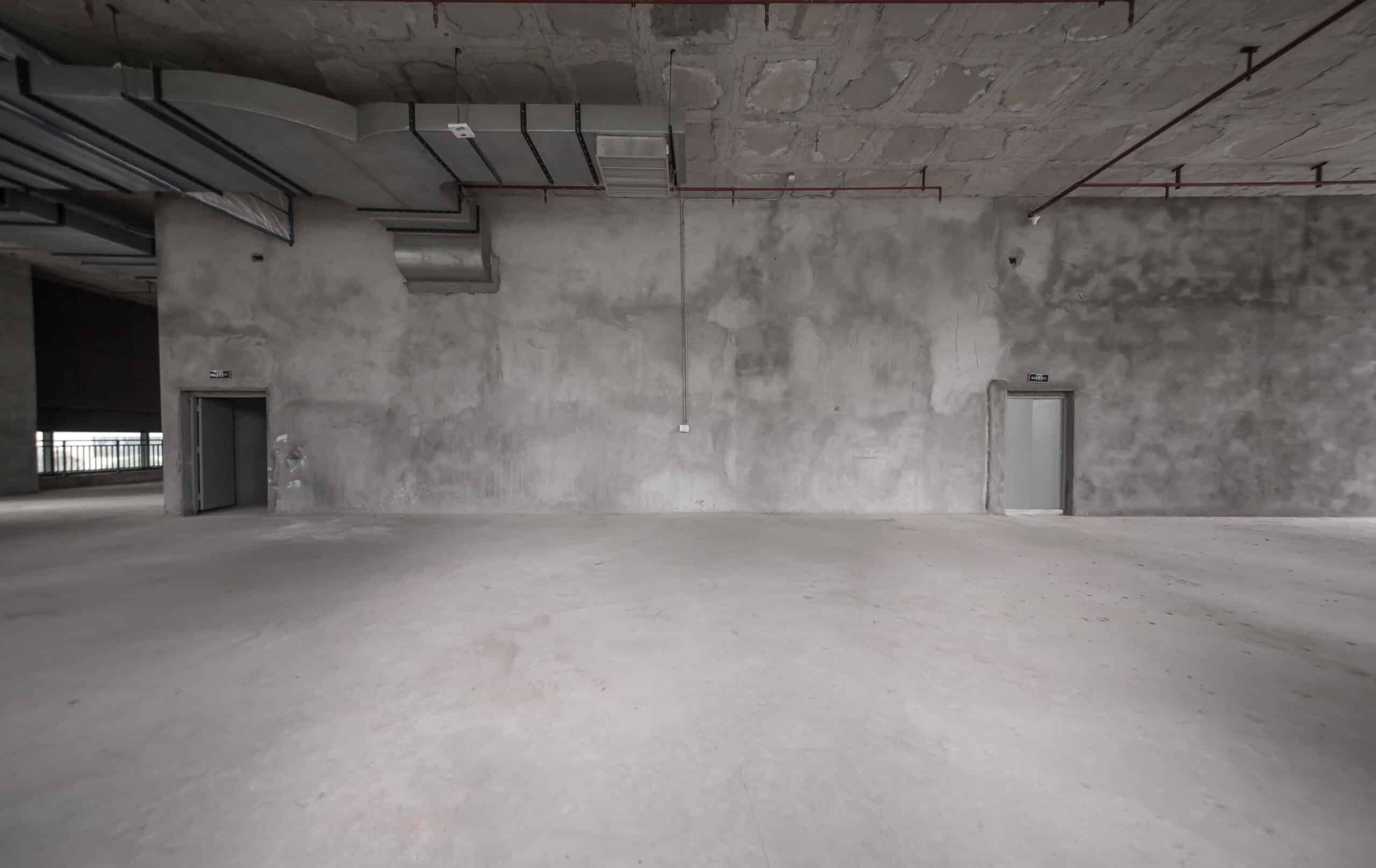
Note: something can look like dampness and not be: condensation on the wall. When the house is not ventilated enough, and there is a big temperature gap between the interior and exterior walls, mold forms.
How do you tell it is condensation? If you know the house is not well ventilated, the wall will have "only" mold, not blistering, and it will show up mainly around the concrete beams. In a new apartment from a contractor, it is also worth looking into contractor liability for dampness.
How the problem shows up and spreads
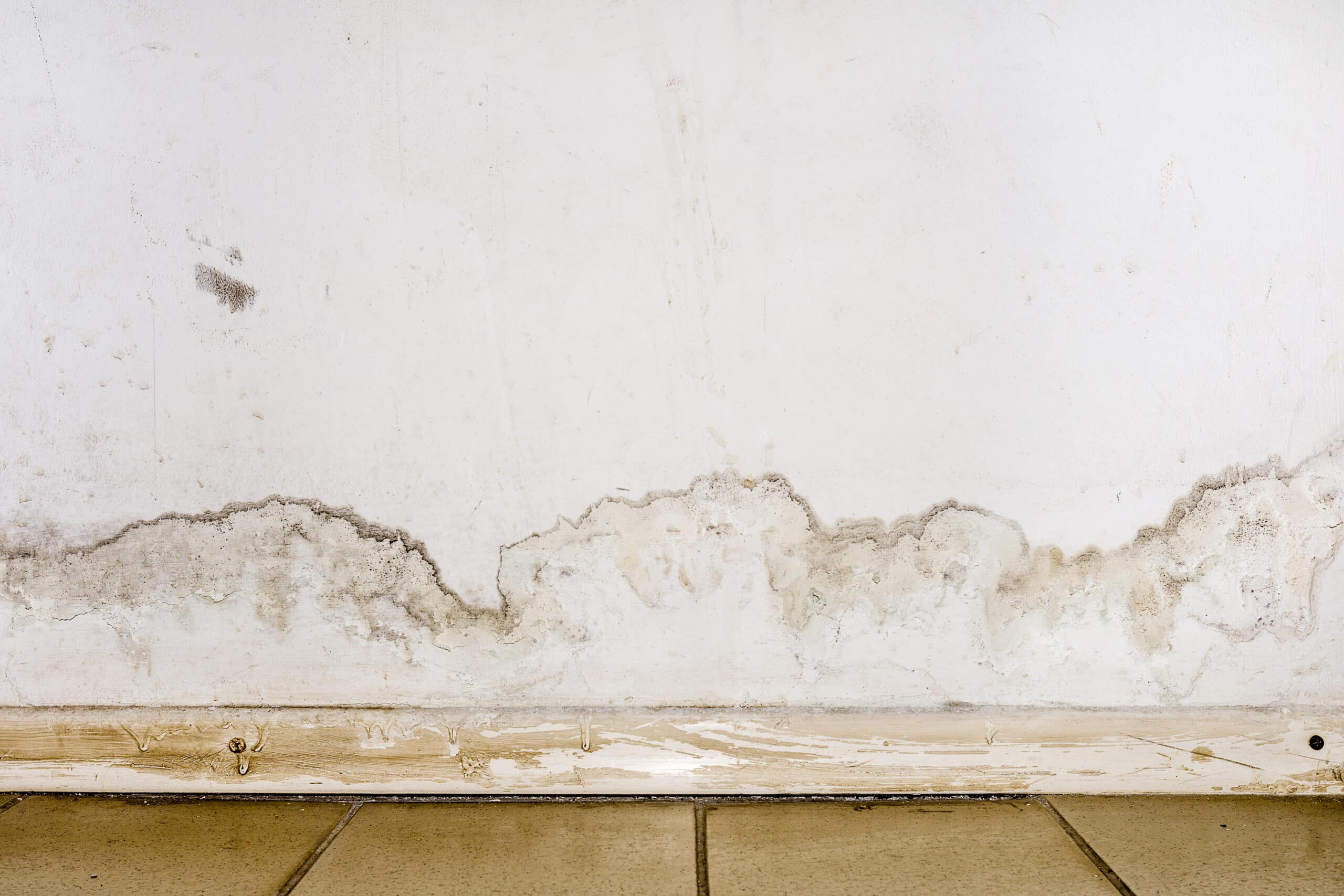
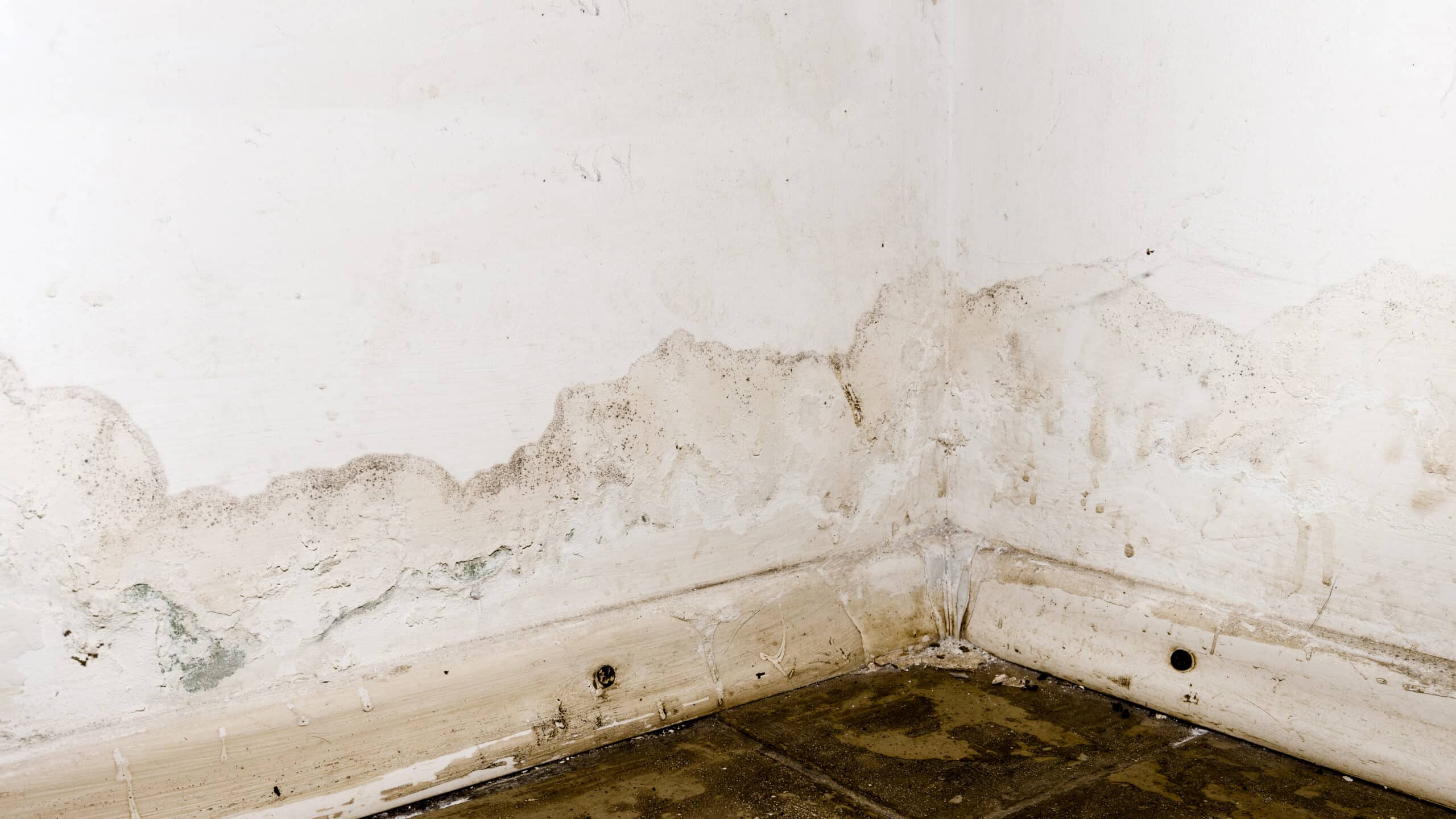
Dampness in an exterior wall is a familiar problem caused by waterproofing failures, and it is usually first noticed as stains on the interior walls of the apartment. Left untreated, it will damage your apartment further: mold, peeling paint and plaster, and additional leaks, all depending on how bad the leak already is.
On a larger scale it causes mold whose health risks are well known, including breathing problems, especially for children and the elderly. This kind of dampness usually turns up during a building inspection or a full inspection of the structure.
Just as serious is the damage it can do to the building's foundations. Because dampness in an exterior wall is not always visible, it often continues unnoticed for a long time. The water that seeps in can reach the foundations and cause real damage there too, whether that is rust in pipes and structural beams or, in more extreme and severe cases, erosion of the sand beneath.
Where the dampness comes from
It can come from several places. It might be that the exterior waterproofing itself was faulty: rainwater collecting on the roof can seep down to the wall if the waterproofing was flawed from the start, or simply outdated and due for renewal.
Water from inside, such as from washing or cleaning the house, can also make a wall absorb dampness. One of the most common cases is a leak from internal piping that has simply worn out over time.
These dampness defects are part of a broader list of common construction defects checked during a standard home inspection.
Before hiring anyone to start digging, drilling and repairing whatever is causing the dampness, it helps to know exactly where the leak originates, so you avoid unnecessary work or unnecessary damage to the walls.
We carry out dampness testing quickly, simply and efficiently, using advanced equipment including thermal scans with an infrared camera: colored images that show precisely where the dampness is coming from.
Why is it worth carrying out a dampness test?
The first, obvious reason: a leak wastes water, and on top of the water conservation Israel has needed for years, it will inflate your water bill and what you end up paying.
Dampness can make a wall crumble. A house's wall looks strong and solid, but this is water we are talking about, and water can wear through the hardest stone there is. Given time, it breaks down the strength of the concrete and brick, and the wall suffers not just aesthetically but structurally, becoming unsafe.
Another reason is the health risk. Humidity is everywhere in this country, but dampness inside a wall is a different matter: bacteria and mold thrive in those conditions, and if it is in your bedroom wall, that is not a healthy room to sleep in.
The last reason, not necessarily the least important, is the aesthetic damage: what eventually bothers people who have already stopped worrying about health or the long term. Left untreated, the damage keeps growing, and the wall will end up far uglier than it is now.
For questions on other topics related to construction and home inspection, follow our Facebook page
The engineers of Arad Bedek Bayit, led by building engineer Ron Arad, whom courts appoint as their own expert on construction defects. The company has been inspecting apartments and buildings since 2001. Engineer Ron Arad · More about the company