

On this page · 4
How do you inspect a new apartment without missing anything critical? It is a complicated question, and even home inspection companies sometimes miss important points. Inspecting a new apartment from a contractor is critical for everything that follows, so it is worth knowing exactly what a home inspection (bedek bayit) covers and why.
Before you sign for the handover
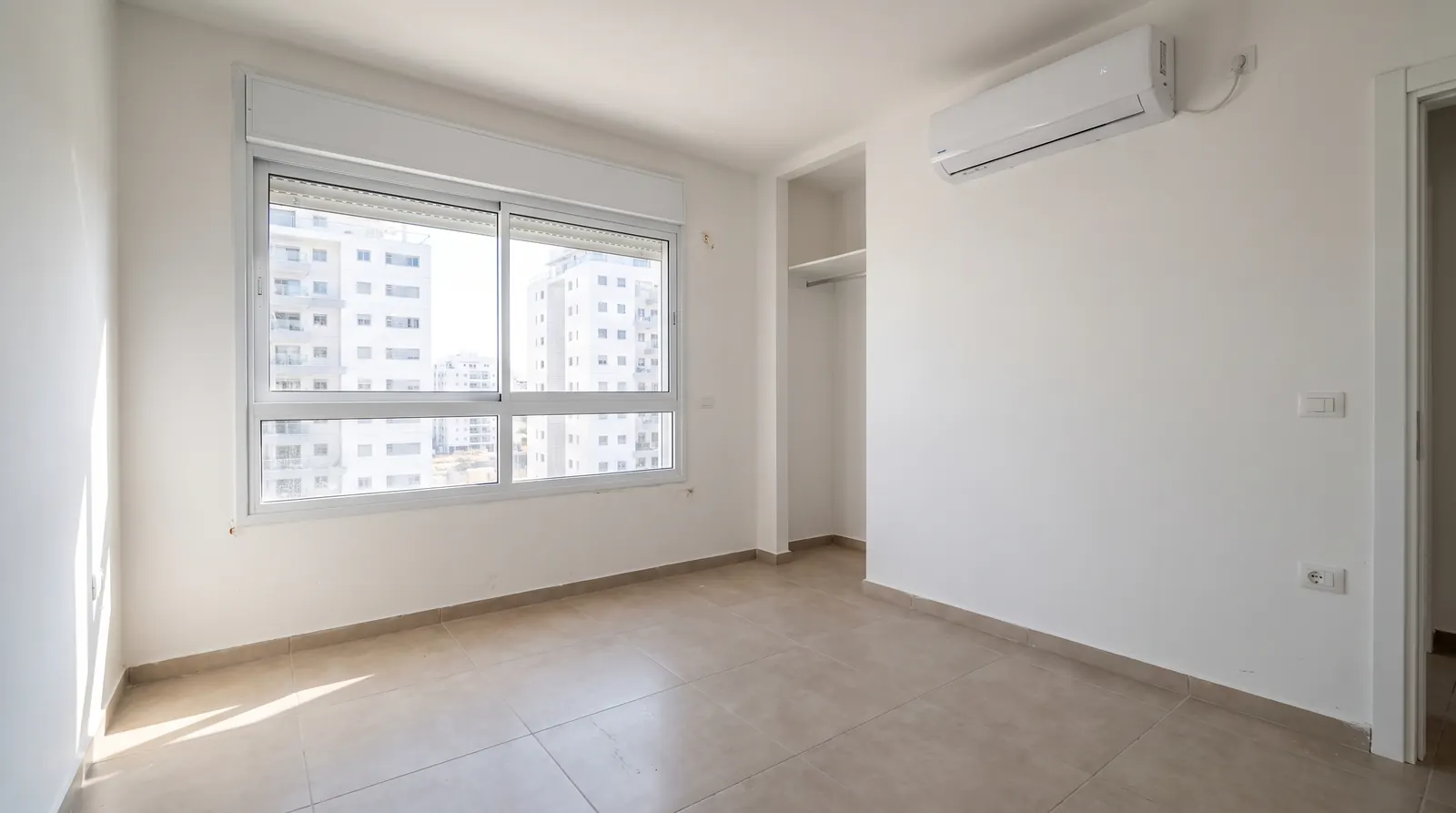
Congratulations on deciding to move to a new apartment. You bought into the project you liked best, the contractor promised the highest standard and quality, and handed you a detailed technical specification. You have spent your savings and waited a long time for this moment: the key to your new apartment.
As much as you want to sign for the handover and take the key, do not rush. How do you know you actually got everything the contractor promised, that every item in the specification was carried out, and that the apartment has no construction defects or other problems?
At this stage it is worth having experts carry out a comprehensive home inspection, to catch any construction or structural defects and confirm the apartment meets every standard and your own expectations.
Why inspect before you move in, not just after
Even if you skipped the inspection before the handover, it is not too late. You have the right to have a home inspection carried out for about seven years after you move in. Even so, it is better to do it before moving in. Buying a new apartment already means paying for a mortgage, taxes, permits, moving costs and more, but the inspection is not where to cut corners: skipping it can cost you far more later.
What a home inspection covers, room by room
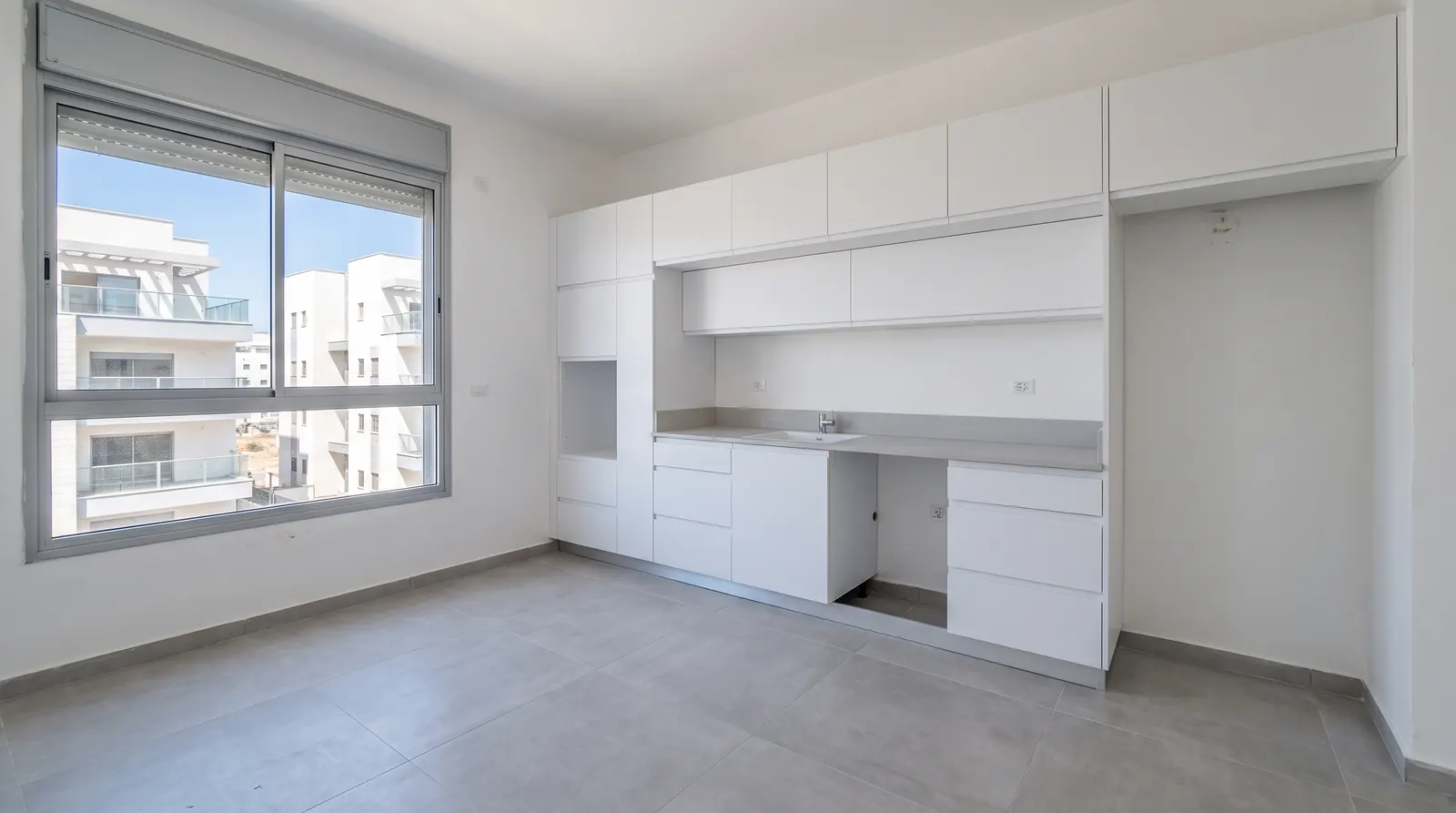
By law, the contractor must fix any construction defects a home inspection turns up, so it is worth using a professional for a thorough check. Here is what an inspector looks at during a building inspection:
- Walls – a new apartment should have none of these problems: check that the walls show no signs of dampness, leaks or cracks.
- Flooring – poorly sealed flooring is one of the most common defects found in new apartments, and can eventually cause the tiles to sink or crack.
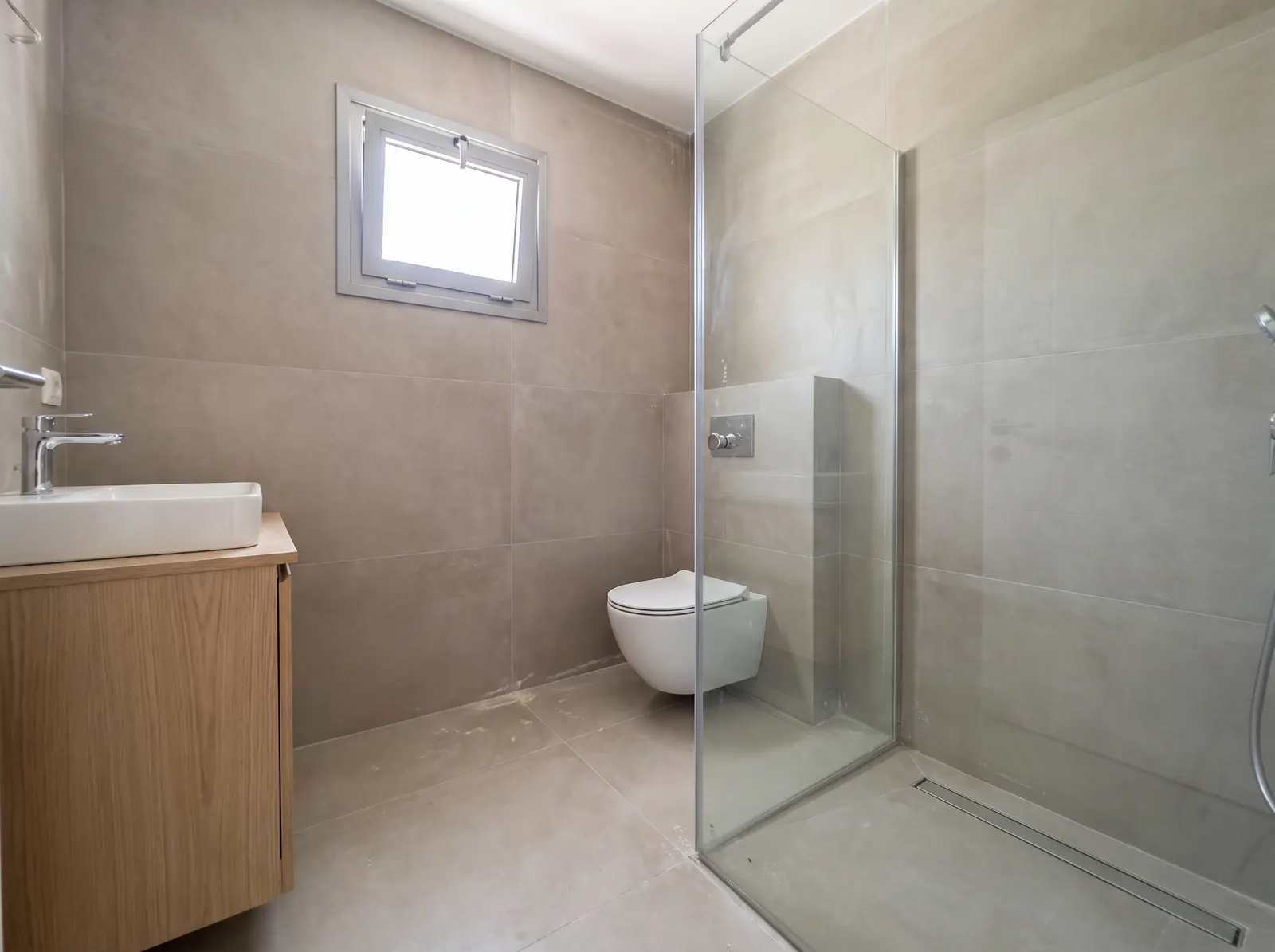
- Electrical and plumbing – check the technical specification for these systems against what was actually installed, and confirm they meet the relevant standards.
- The safe room (mamad) – every new apartment must include one, built to rules meant to keep it fully sealed when needed. This is an important point to verify during a building inspection.
- Roof and solar water heater – check the roof itself, its sealing, and the condition of the solar collectors and water heater.
The full picture: everything gets checked

Explaining how to inspect a new apartment from a contractor means working through a very long list. Most people cannot judge what to check on their own, and even if they could, they would not have the equipment a proper inspection requires.
The honest answer to what a home inspection checks is: everything. Every part of the home gets checked separately, the parts you can see and, just as importantly, the ones you cannot without a thorough inspection.
Cracks in the walls of a new house: wiring, piping, and every safety-related system need checking, from the walls to window heights to the electrical switches, more checks than can be listed for every part of the home. What matters is confirming that what was actually built matches the plans, and doing that precisely. Faults found at this stage are the contractor's responsibility.
These are only some of what gets checked during a home inspection of a new apartment. A building inspection like this uncovers defects invisible to the eye, and you have every right to have them fixed at no cost to you.
The engineers of Arad Bedek Bayit, led by building engineer Ron Arad, whom courts appoint as their own expert on construction defects. The company has been inspecting apartments and buildings since 2001. Engineer Ron Arad · More about the company