

On this page · 4
Non-conformity with the specification and plans is one reason a home inspection (bedek bayit) matters: it is a serious fault that can cause real trouble, and catching it early heads off bigger problems later.
A gap between the apartment's specification or plans and what was actually built is a fundamental breach of the Sale (Apartments) Law, and it entitles you to a repair or compensation. An engineering home inspection, carried out before handover or after residents move in, is what identifies defects of this kind, whether they surface during the inspection or warranty period, or in some cases even later.
Examples of non-conformity with the specification

Non-conformity with the specification can take many forms: a mechanical vent promised for the bathroom that was never installed; fewer outlets than the specification promises; ceramic cladding in the bathroom lower than the promised height; flooring specified as 45x45 porcelain tile but actually laid as 30x30 ceramic; fewer television or phone connections than specified; a kitchen shorter than specified; a roller shutter in the wrong material; glass that does not match what was promised; or cladding stone of a lower grade than promised.
Examples of non-conformity with the plans
Non-conformity with the plans looks different: room dimensions smaller than the 2 percent deviation the law allows; doors and windows narrower than planned; a door that opens the wrong way; sanitary fixtures placed incorrectly in the bathroom.
Residents often miss this kind of defect simply because it is not obvious unless you know how the measurements work and what you are entitled to. A classic example: a mismatch between a room's actual dimensions and its plan is sometimes explained away by claiming the plan measures before plaster and tiling go on.

But the Planning and Building Law is explicit that measurements are taken from plaster to plaster, or tile to tile, and that is the figure the plan is supposed to show. Another example: most people do not know building materials well enough to tell different types or thicknesses of glass apart, so they have no way of knowing their windows are less safe than what was promised.
When professionals treat the plans as optional
Professionals sometimes treat the building permit plan, and the sale plan alongside it, as a mere recommendation they are not bound to follow. Later, when a defect or a mismatch with the plan turns up, they may look for leniencies in the plan's requirements to make the non-conformity look acceptable.
Take a building permit plan showing a balcony's glass safety railing on its outer side, while in practice it was built on the inner side. An expert, even a court-appointed one, might argue the plan's notation is not binding here, on the theory that a sale plan is not a working drawing or that it lacks precise dimensions.
Despite that argument, this is still a construction defect, and the same goes for columns left out of the plans or any other deviation excused by "construction constraints." Both the sale plan and the building permit are binding, and construction has to match both of them.
What to do if you suspect non-conformity
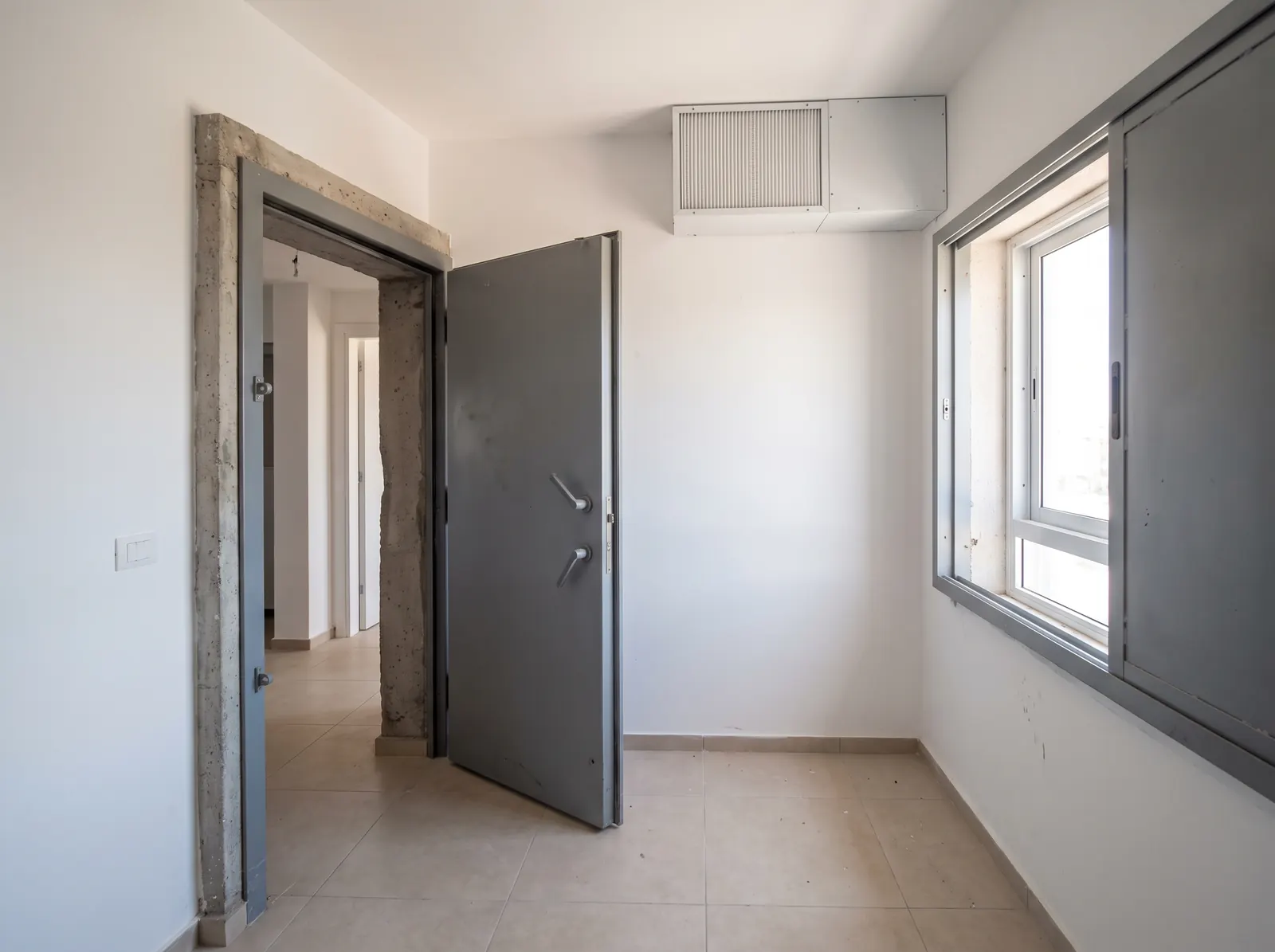
If you suspect the contractor deviated from the specification, or you have spotted construction or an addition that looks like it does not match the plans, contact us as soon as possible. Many people are simply not sure whether a non-conformity has occurred, or whether it is worth pursuing if it has. Either way, protecting your rights and heading off problems down the road starts with finding out.
A home inspection lets you track exactly what happened and makes sure that, where defects exist, the contractor takes responsibility and fixes them. Without one, property owners often end up dealing with faults that were never theirs to fix, at real and unfair expense. For more on building inspection, or for advice at any stage, feel free to contact us.
The engineers of Arad Bedek Bayit, led by building engineer Ron Arad, whom courts appoint as their own expert on construction defects. The company has been inspecting apartments and buildings since 2001. Engineer Ron Arad · More about the company