

On this page · 3
Dampness in an interior wall can come from faulty waterproofing or from water building up after heavy rain. Dampness in an exterior wall has its own set of causes, but either way it is a serious problem that needs solving quickly.
When the exterior wall itself is the problem, treat that first. Water that has gotten through to cause dampness on an interior wall is usually a sign of a waterproofing problem in the exterior wall behind it. If the dampness traces back to a faulty window seal instead, start by finding that source.
At Arad Bedek Bayit we use the most advanced tools available, thermal cameras, fiber optics and more, to pinpoint the source of dampness accurately and efficiently, wherever it exists.
Leaks inside a house often trace back to rainwater getting in through the exterior walls. In buildings built with concrete blocks or aerated concrete, the envelope can shift in the first few years as the ground settles, opening cracks that let rain through.
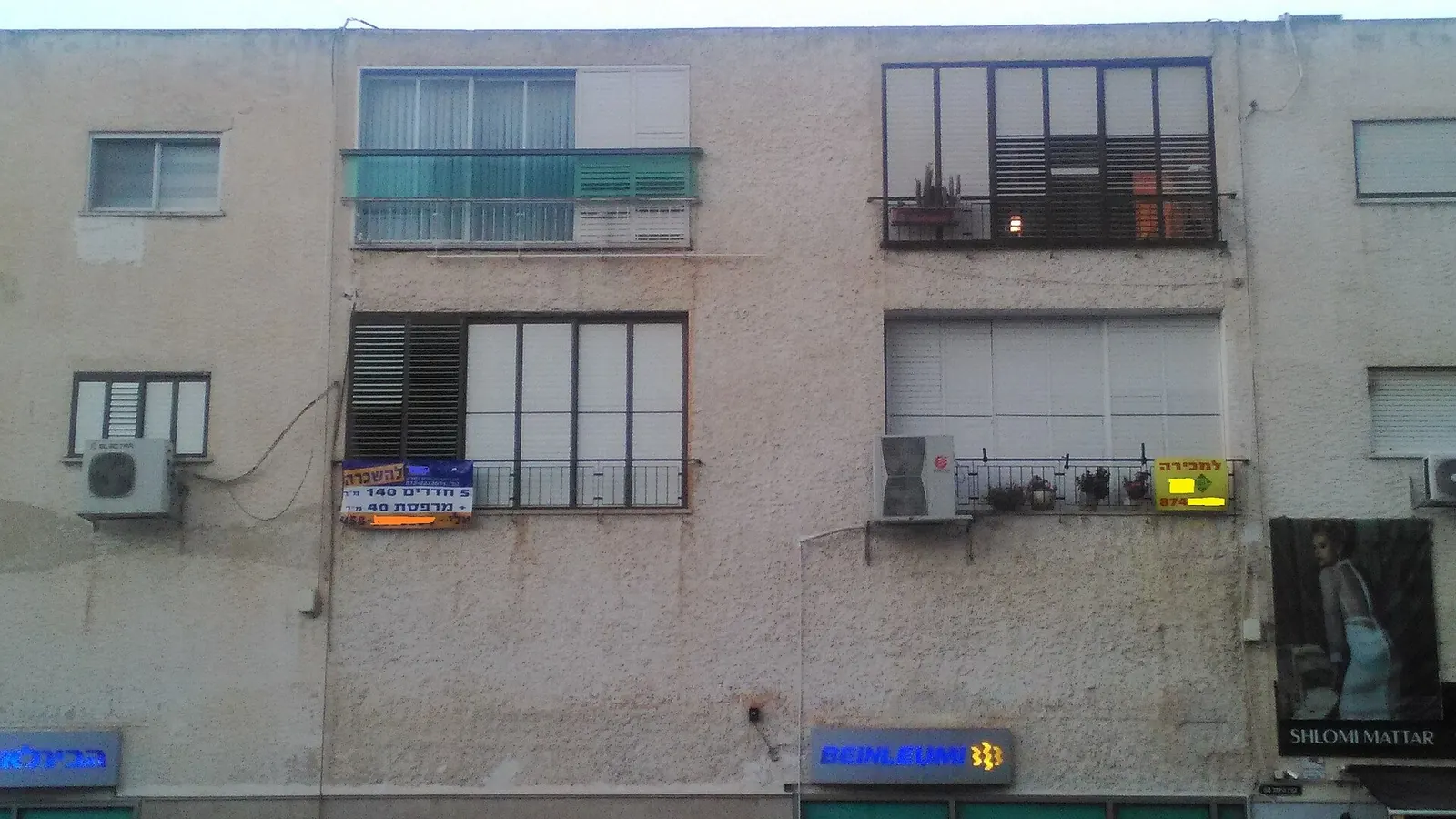
Why it's important to pay attention when checking for dampness in exterior walls
Dampness in an exterior wall is a familiar problem, usually caused by a waterproofing failure and diagnosed from damp stains on the wall's inner face. Left untreated, it leads to mold, peeling paint and plaster, and more, depending on how far the dampness has spread.
You no longer need to turn the whole building into a construction site to renew an entire wall. Pinpointing the exact source lets you fix the exterior wall's waterproofing locally instead: a reliable fix, without the unnecessary expense.
Arad Bedek Bayit runs a range of checks on existing apartments, as well as inspecting an apartment from a contractor before handover, and specializes in finding dampness in both interior and exterior walls.
Dampness in an exterior wall is more complicated than in an interior one: it covers more area and spreads further. It usually comes from water seeping into different parts of the building, whether rainwater working through cracks after one or more rainy seasons, or water from an outside source such as a neighboring pipe.
Waterproofing gets serious attention during construction, which is why every contractor works with an architect or building engineer who devotes a substantial part of the plans and specifications to it. Water still finds its way in through roofs, exterior walls, balconies, faulty window seals, and more.
Always pay attention to the state of wall waterproofing problems
When you have a home inspection done on a new apartment from a contractor, or on a resale apartment sold shortly after its original purchase from the contractor (there are plenty of reasons for that kind of quick resale), keep in mind that the contractor remains liable for dampness for a period after handover. That is a good reason to check both interior and exterior walls thoroughly.
Exterior wall dampness left untreated becomes everyone's problem, since the building's exterior walls are common property shared by every resident. Early on, you will barely notice it spreading, but do not get complacent: over time it works into the plaster and the intact waterproofing layers, and eventually into the strength of the structure itself.

Damp walls also hurt the building's appearance and lower the apartments' value, which is another way the damage ends up affecting every resident. That is why it is worth checking for dampness alongside a check to detect construction defects that could cause dampness down the line.
A further, equally serious risk of exterior wall dampness is damage to the building's foundations. Because it is not always visible, it can go on for a long time, and the water that seeps in eventually reaches the foundations, causing real damage: rusted pipes and structural beams, or, in extreme cases, eroded sand beneath the structure.
Window sealing problems: when it's worth checking
One of the main sources of waterproofing and dampness problems is the windows, whether the flaw is in the window's own seal or in the sealing around it. Either way, the damage builds over the short and long term: dampness, mold, poor thermal insulation, leaks and peeling walls. The underlying cause can be amateur sealing work around the window, a defect in the window's own aluminum work, or condensation.
Finding and fixing a window sealing problem quickly keeps the damage and the cost down, and improves the house's sealing and insulation for the long run.
A professional home inspection can identify every one of these faults and tailor a fix for each, before it turns into wall dampness or causes real damage.
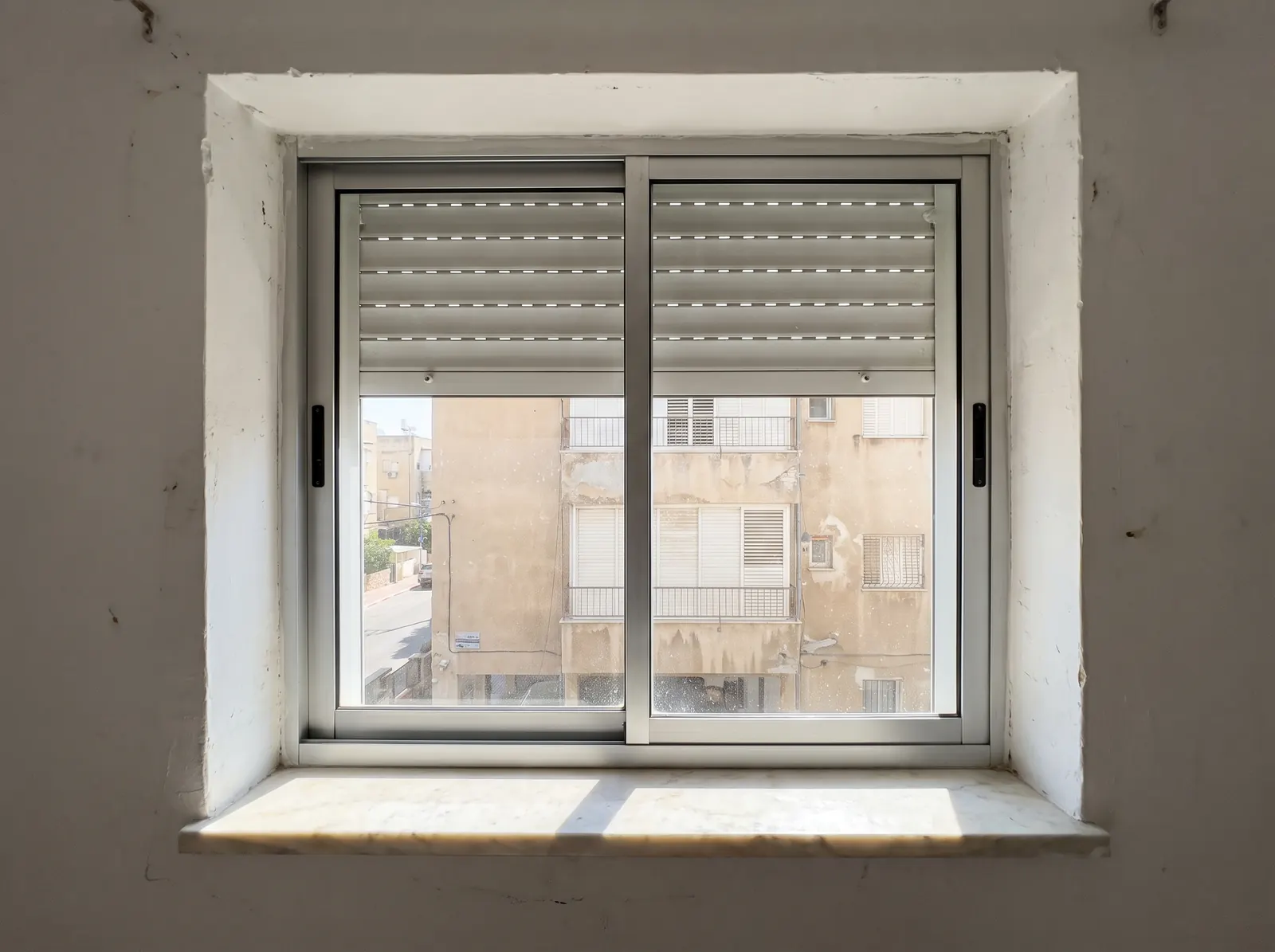
Whether you are inspecting an apartment before taking it from a contractor, or ordering a home inspection for a resale apartment, having an expert engineer do the check finds these defects and gets them treated before you move in, so you get to enjoy a home free of dampness.
A window's own sealing flaws need an aluminum specialist, not a waterproofing contractor. Defects around the window are a different matter: they typically show up as damp or mold stains on the walls, leaks, or crumbling and peeling paint. Either way, find the actual source of the defect before you start looking for a fix.
The engineers of Arad Bedek Bayit, led by building engineer Ron Arad, whom courts appoint as their own expert on construction defects. The company has been inspecting apartments and buildings since 2001. Engineer Ron Arad · More about the company