

On this page · 3
Dampness checks in a new apartment from a contractor are usually the first ones done as part of a home inspection (bedek bayit) before handover. Contractor liability for exterior waterproofing and for dampness is broad, and it usually extends to leaks too, so it pays to check these things as early as possible.
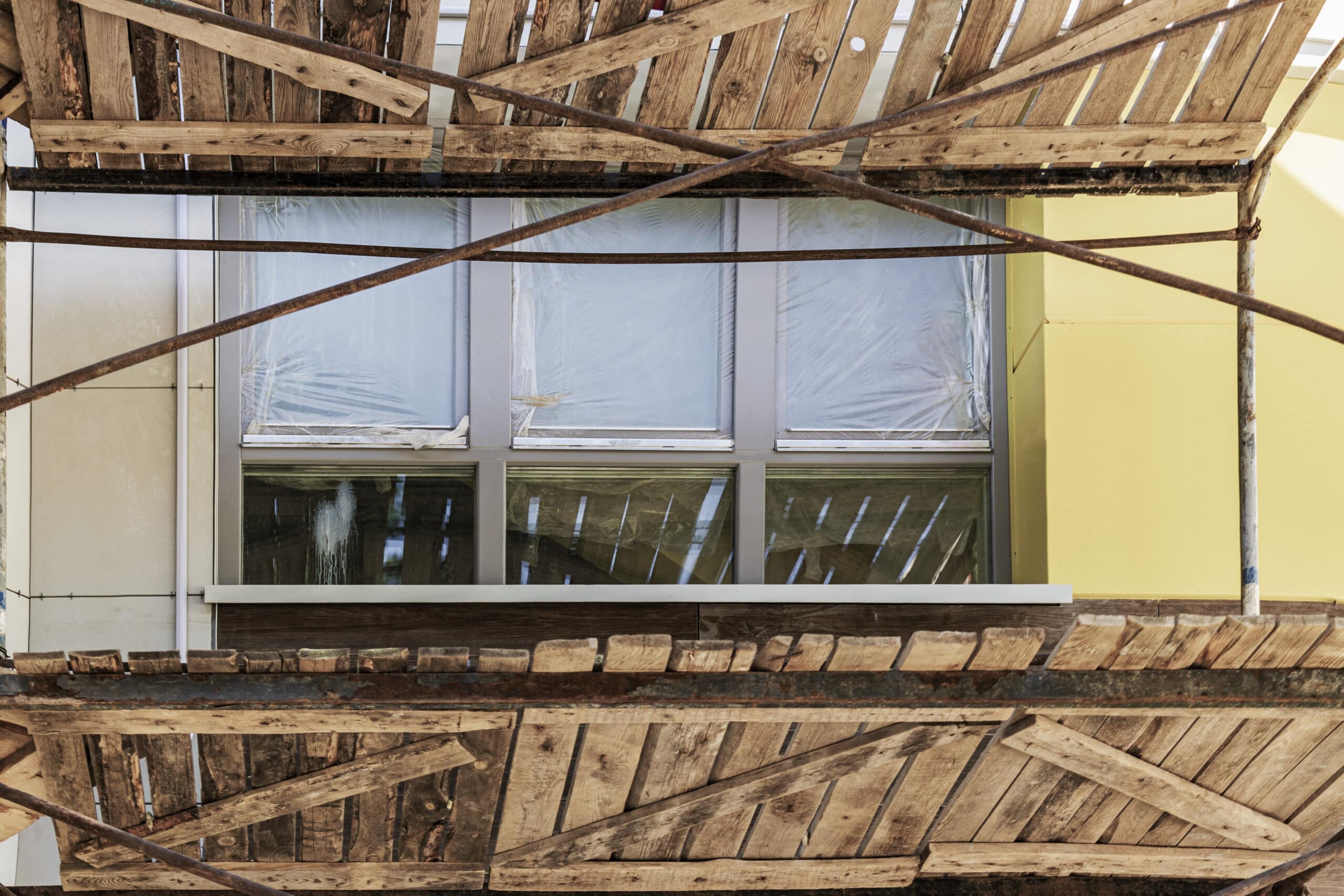
Construction defects that cause dampness in new apartments, sometimes with cracks in interior or exterior walls, remain one of the country's chronic problems.
Dampness usually brings other problems with it, so it is worth dealing with quickly. Some assume dampness only affects old, poorly maintained buildings, but it shows up in new apartments from a contractor too, usually from defects in the water system or in the waterproofing, and it falls under the warranty agreement that comes with the apartment.
Corrosion defects used to be common; today the more frequent issue is faulty piping, mainly at the joints, and it is not unusual for buyers to discover that the piping or sewage in their new apartment does not work properly. That is why it is worth running a defects inspection on a new apartment, ideally before moving in.
This kind of problem usually leads to leaks, and dampness damage follows quickly. You are entitled to compensation for dampness damage in an apartment from a contractor, and it is worth claiming it, both because the repairs are expensive and because they are complex (lifting flooring to reach the piping, for example). Living with dampness and leaks can also affect your health, including respiratory illness.
Plumbing problems are usually what cause the dampness, blockages and leaks in the first place, so contractor liability for dampness covers plumbing too, for several years.

Contractor liability for waterproofing
Many buyers of new apartments in Israel, making the largest purchase of their lives, end up dealing with recurring dampness and with contractors who dodge responsibility for it. No one wants to go to court and fight a lawsuit against a contractor for years, but sometimes there is no other way.
Apartment owners can demand that the contractor repair construction defects without delay, and compensate them for the loss of value caused by rainwater penetration. They can also sue for financial compensation for distress.
Under section 13 of the Contracts Law, courts at every level have repeatedly ruled that dampness defects are a "chronic ill," so the compensation awarded for distress in these cases runs higher than for other defects. The harder a defect makes life for the owner, the more the courts tend to favor them on compensation.
Contractor liability for dampness
The Sale (Apartments) Law sets out the contracting company's responsibility for fixing defects found in a new apartment, split between the inspection period and the warranty period. This is why it is worth running a construction defects inspection during the first year in the new apartment.
During the inspection period, the seller must repair the defect unless he proves the apartment owner caused it. This period starts when possession of the apartment is handed over and runs between one and 7 years depending on the type of defect. For dampness, it is 4 years.
During the warranty period that follows, the burden shifts to the buyer, who must prove the defect comes from the design, the workmanship or the materials. This period starts when the inspection period ends and runs for 3 years, and the contractor may still be responsible for the repair.

Contractor liability for leaks
As noted, this liability exists. If you find dampness or leaks in a new apartment bought from a contractor, not a resale apartment, the Sale (Apartments) Law applies: the contractor is liable for construction defects in new apartments.
Under the Sale (Apartments) Law, 5733-1973, the contractor must repair the defects at his own cost, not the buyers'. The law sets out two periods, the inspection period and the warranty period, which differ in length and in who carries the burden of proof.

The inspection period begins when the apartment is handed over and ends at different times depending on the type of defect. For dampness, whether from pipe leaks or a waterproofing defect, it runs about four years from the day you receive the keys.
When those four years end, the three-year warranty period begins, during which the contractor is still required to fix the defect, but now the resident must prove the defect stems from the contractor's design, materials or workmanship. If residents cannot prove that, they have to repair it and pay for it themselves.
You are welcome to follow our Facebook page.
The engineers of Arad Bedek Bayit, led by building engineer Ron Arad, whom courts appoint as their own expert on construction defects. The company has been inspecting apartments and buildings since 2001. Engineer Ron Arad · More about the company