

In a home inspection for a new apartment from a contractor, or in any home inspection (bedek bayit), checking for electrical defects is one of the most important parts, simply because electrical defects rank among the more dangerous construction defects for a home's residents.
Checking the electrical system matters a great deal for the safety of your life and property. The check confirms whether the system meets safety requirements and whether it was designed and is maintained correctly. A defective electrical system can cause electric shock, fire, appliances cutting out, or the system shutting down altogether.
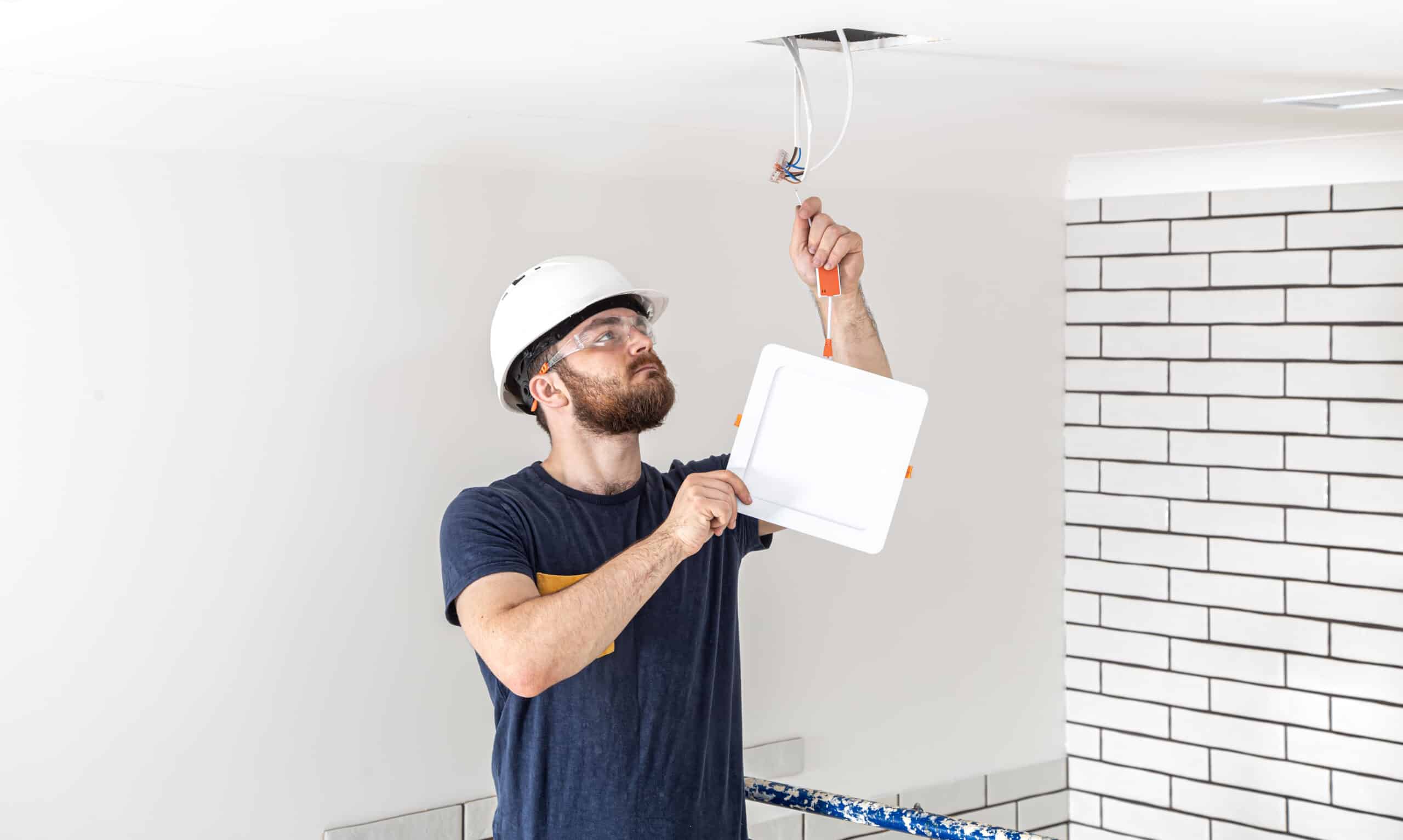
Some problems are easy to spot, such as switches and outlets installed unevenly or out of alignment, which are aesthetic flaws that still need to be checked against the standard and fixed. Others are safety hazards that come from failing to meet the required standard in the first place.
Resale apartments often have plenty of these safety defects too, with electrical systems that neither work properly nor meet current safety standards, which is why a home inspection for a resale apartment tends to put extra weight on the electrical system.
How an electrical inspection works
Electrical work is one of the areas a home inspection always covers. Unlike most other areas, you usually cannot see the quality of the electrical work directly, so it takes an experienced electrical engineer with the right instruments to check it properly.
It is common for the electrical work actually done to differ from the plan you agreed with the contractor, which is why matching the wiring in your apartment to those plans matters so much, along with confirming that every electrical fixture promised to you was actually installed. An electrical check combines aesthetics and safety at once.
You cannot see an electrical fault the way you can see cracks in a wall, yet a faulty electrical system can be far more serious than a crack or a leak: it can endanger both the residents and the property, or, in milder cases, cause the inconvenience of outages triggered by high electricity use.
To an ordinary user, an electrical system may look like nothing more than outlets and lighting, and on the surface that is true. But infrastructure poorly matched to the home's needs, non-standard equipment, unprofessional installation, wrong or insufficient circuit distribution, unsuitable end fixtures, or conductors not fit for purpose all create real danger for the people living there.
Electrical faults as construction defects
Most often, a home inspection before receiving the keys from a contractor starts by checking the electrical plan against what was actually built. Buyers of a new apartment often do not stick to the contractor's basic plan and instead upgrade it, adding electrical points or moving existing ones.
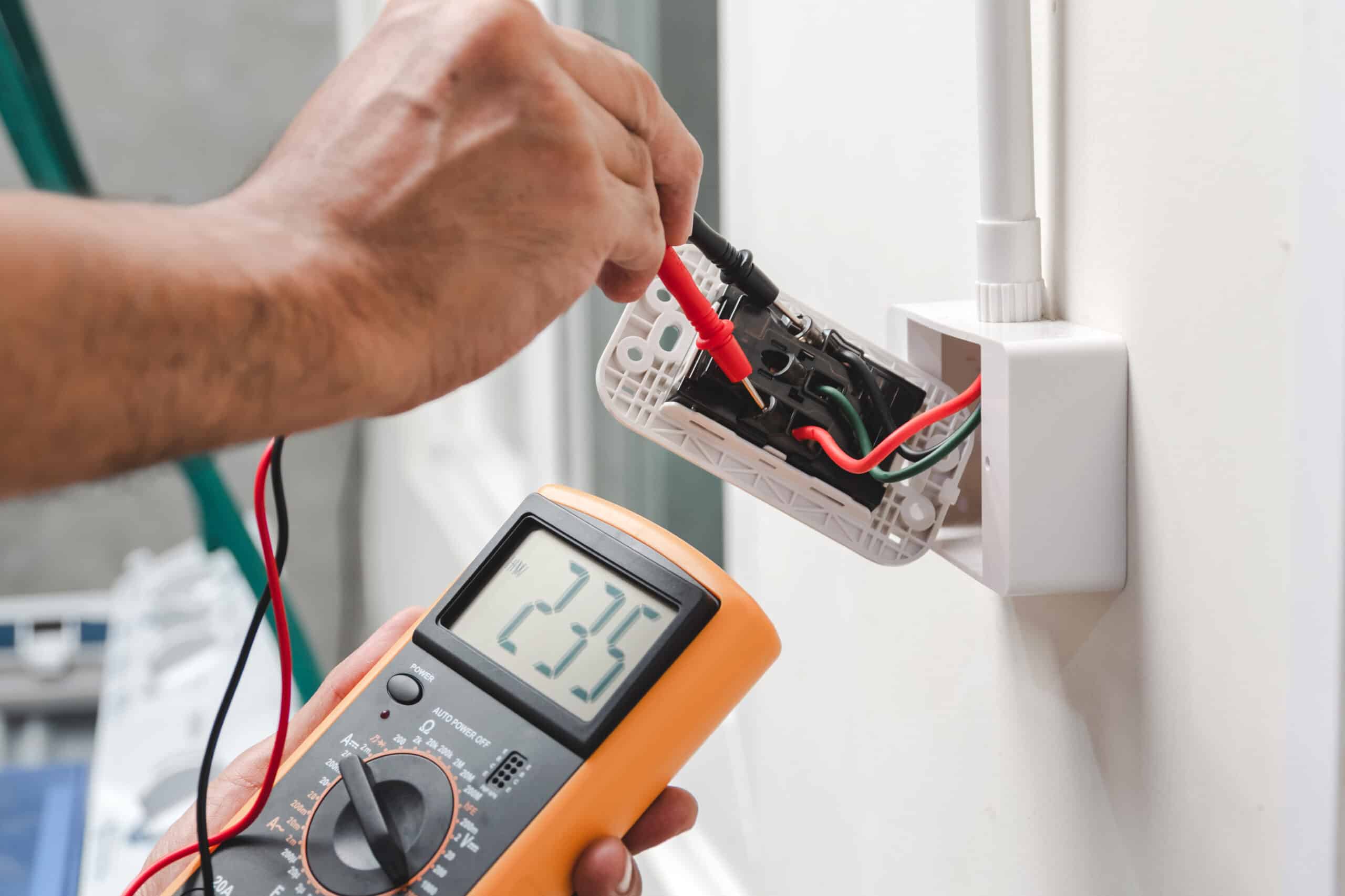
In those cases, checking that the wiring matches the (updated) plans matters even more. But plan-matching is not the only thing to watch for: every home and building needs periodic checks to confirm the whole electrical system, and its safety features such as grounding, are working as they should, to protect both life and property.
A good number of disasters have been traced back to a faulty electrical panel.
Important concepts regarding electrical systems
Grounding protects a person from electric shock if a wire touches a metal body or a short circuit occurs. It also provides partial protection against lightning.
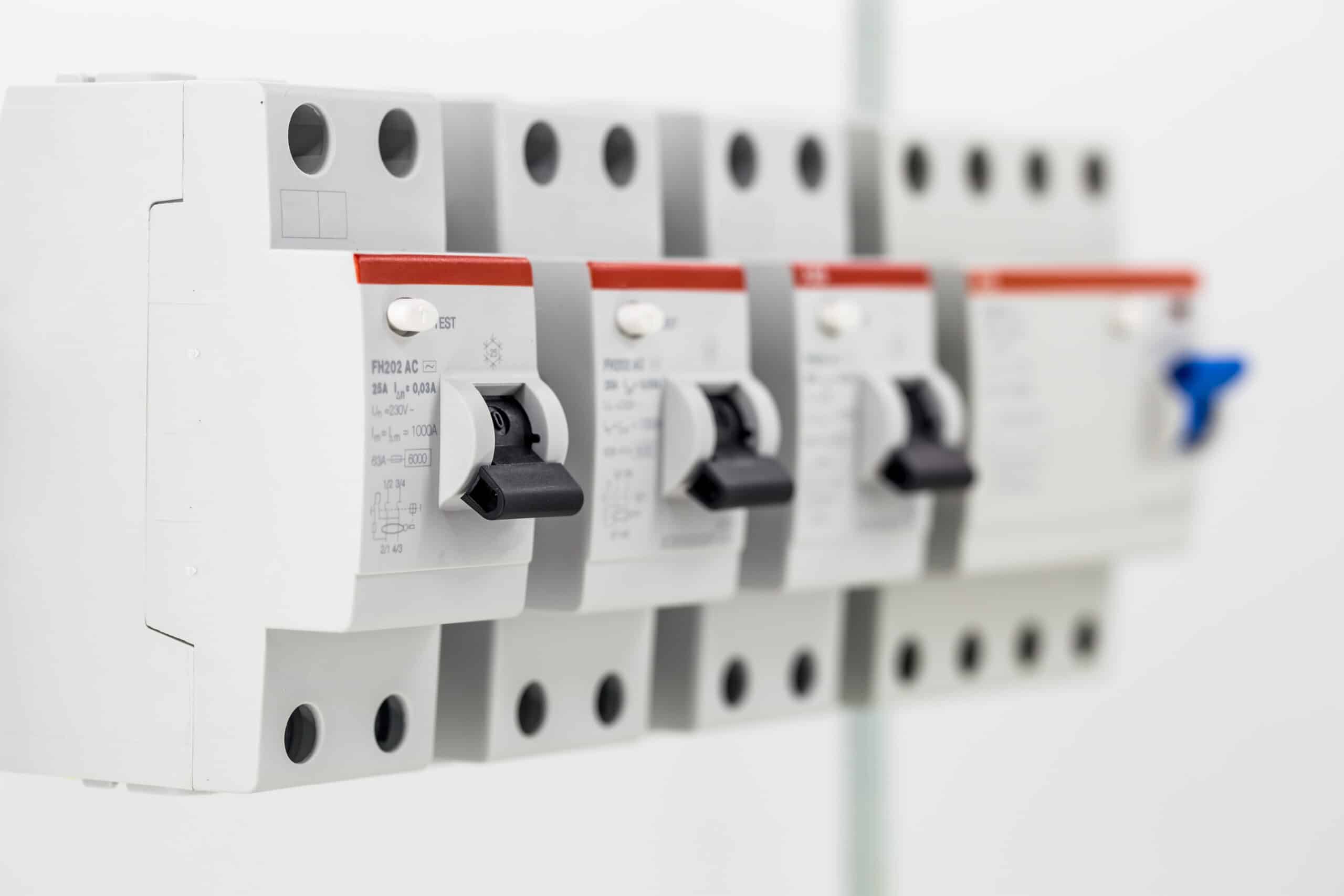
Residual-current device (RCD), also known as an earth leakage relay, likewise protects against electric shock. It compares the current going out to the current coming back, and if it detects a difference beyond its sensitivity threshold, it cuts the power immediately, sharply reducing the risk of shock.
Semi-automatic breaker is another safety component, protecting the system against overcurrent, short circuits, or excessive load, such as running too many appliances on one line. When triggered, a mechanical action inside the breaker disconnects the circuit.
Common defects in electrical systems
A non-standard main panel, or panel accessories that do not meet requirements, including a main breaker and RCD of the wrong size: risk of electric shock and electrical faults.
An old panel, a wooden panel, or one with filament fuses and no RCD: risk of electric shock and recurring faults.
Old wiring with peeling insulation: risk of electric shock and recurring faults.
Missing grounding, or a break in the grounding at outlets: risk of shock in the event of a disconnection, short circuit, or dampness.
Electrical conduit not installed in a straight line: risk of drilling into it and getting shocked.
Poorly installed conduit running through the roof: risk of dampness.
Outlets and switches at uneven heights: an aesthetic flaw.
Dampness in electrical boxes or connections: risk of short circuit and shock.
Phase and neutral swapped in outlets: risk of damage to appliances.
For more questions and answers, follow our Facebook page
The engineers of Arad Bedek Bayit, led by building engineer Ron Arad, whom courts appoint as their own expert on construction defects. The company has been inspecting apartments and buildings since 2001. Engineer Ron Arad · More about the company