

Before you rely on an elevator, know the standards that govern it. Non-standard elevators need to be identified, and a home inspection (bedek bayit) should check elevator regulations, fire safety regulations, and more. Arad Bedek Bayit specializes in fire safety and elevators.
Most people, when they think about a home inspection and finding faults, think of dampness problems and the like. But a thorough home inspection can save lives, and getting it right matters to the success of any construction project.
Elevator maintenance and the regulations behind it

Common areas inspection: everyone recognizes how important the elevator is. It has ended the days of climbing stairs after an exhausting day with shopping bags or a stroller, and made even the highest floors accessible.
For decades the elevator has been a safe, reliable way to move through residential and office buildings, on one condition: it has to be properly maintained. Laws set out what a compliant elevator looks like so that access stays safe, and it's the building committee's job to make sure the elevator is checked periodically and meets them.
How elevator compliance works
Every elevator built in Israel carries a mark from the Standards Institution. In a residential building, it's the building committee's job to confirm that a newly installed elevator comes from a company holding that standard.
Under the Work Safety Ordinance (a law enacted in 1970), section 60, every elevator installed in a building must pass an initial soundness inspection, and only once every clause is approved without exception can it enter use.
For the avoidance of doubt, the cost of that inspection is the elevator installer's responsibility, not the building committee's.
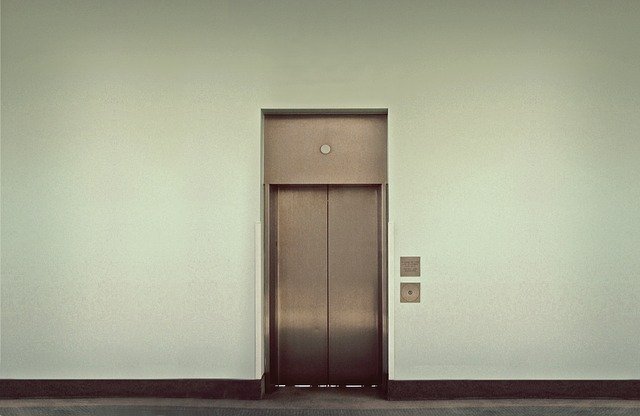
A 1984 amendment further requires the installer to provide a full one-year warranty, to confirm the standard is still being met. That warranty covers servicing with a high repair quota, spare parts and more, all of which must be set out fairly in an agreement between the installer and the building committee within two months of installation.
Beyond that, a periodic inspection is required. The inspector, who is not the installer, must be licensed by the Ministry of Industry, Trade and Labor, and the building committee should confirm that license.
The inspection report goes to the ministry for approval; if there's a problem, an order will bar use of the elevator until it's fixed. Repairs are made at the installer's expense within the warranty year, or at the committee's expense for a fault that occurs after that.
Fire safety inside the elevator
To protect lives, every building must be properly prepared for fire. Fire serves us well in cooking, heating and leisure, but used incorrectly it can be lethal. It's dangerous in the open, and even more so indoors, because of the human factor: people panic at the sight of fire, their decision-making breaks down, and that is part of why fires claim so many victims.
The minutes before firefighters arrive are critical, so a building has to account for both time and how people behave under pressure. Fire suppression in enclosed spaces, and in particular enough openings, automatic suppression systems, and an elevator prepared for these situations, can save lives.
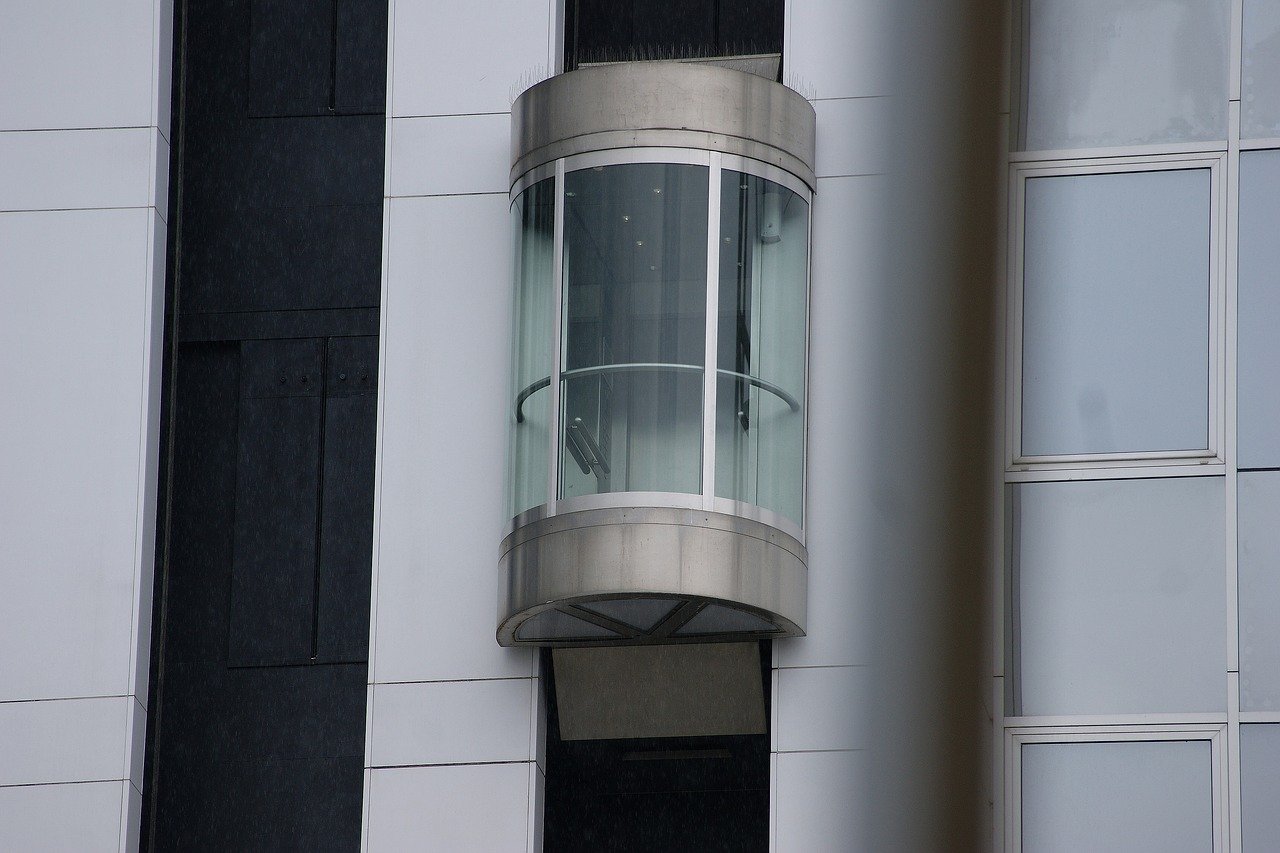
Before you start a construction project or a building addition, make sure you have home inspection support in any renovation that involves the residents. Some things are simply mandatory: catching non-standard elevators can save lives.
A fire safety and elevator soundness inspection, together with close support from planning through to completion, belongs in every such project. For resale apartments, an inspection typically covers every part of the building, inside and out, including the yard and any areas defined as common property, carried out by experienced inspectors. Non-standard elevators come up often enough in these inspections that this check deserves particular attention.
The engineers of Arad Bedek Bayit, led by building engineer Ron Arad, whom courts appoint as their own expert on construction defects. The company has been inspecting apartments and buildings since 2001. Engineer Ron Arad · More about the company