

On this page · 3
Window defects in a new home are unfortunately common. Check for them before you move in: discovering them only once winter arrives is unpleasant. The contractor is responsible for window defects in a new home, provided the repair is requested during the warranty period and not after it.
Author: Ron Arad, civil engineer
Arad Bedek Bayit
Window defect
What a home inspection checks includes window defects in a new home. Most new apartments today have aluminum-frame windows with safety glass, single or double glazed, so it is fair to ask what could possibly go wrong with a new window.
Plenty, it turns out: a new window that meets the standard is no guarantee against construction defects. Here are some of the problems a home inspection engineer commonly finds when checking a new apartment.
Window defects in a new home
Installing a window, which happens after the wall is built, requires careful planning of the opening: exact dimensions, the right sill height, and straight walls. Get any of these wrong and different problems follow. A few examples:
-
Inaccurate wall-opening dimensions: an opening too large for the window, if not handled properly, leaves a gap between the frame and the wall. This can let water in and cause cracks.
-
Incorrect sill height: the wall opening is lower than the planned sill.
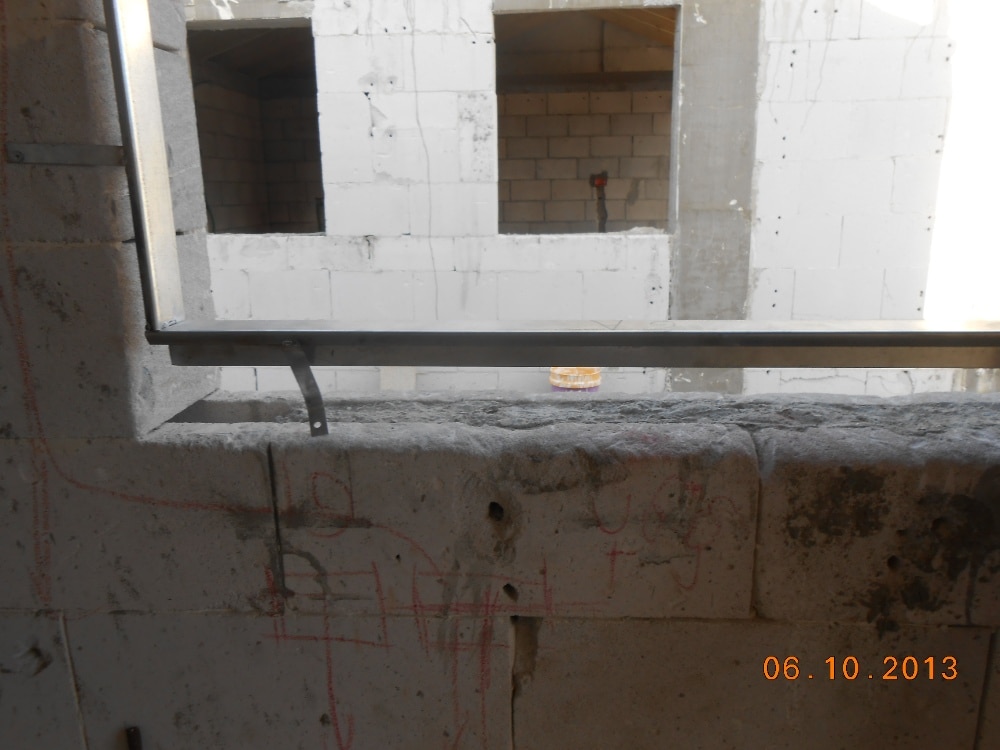
A home inspection for a resale apartment turns up the same issue: the aluminum contractor installs the window at the planned height regardless, leaving an unusual gap between the sill and the wall. That gap is usually packed with block fragments or mortar, which creates problems that only surface after you move in, typically extensive cracking and, in worse cases, water penetration.
Fixing it means removing the window, clearing out the filling, and pouring a concrete tie beam up to the sill height. A home inspection can usually identify the repair needed and hold the contractor to fixing it before the problem gets worse.
- Walls that are not straight: this makes the window protrude from the wall.
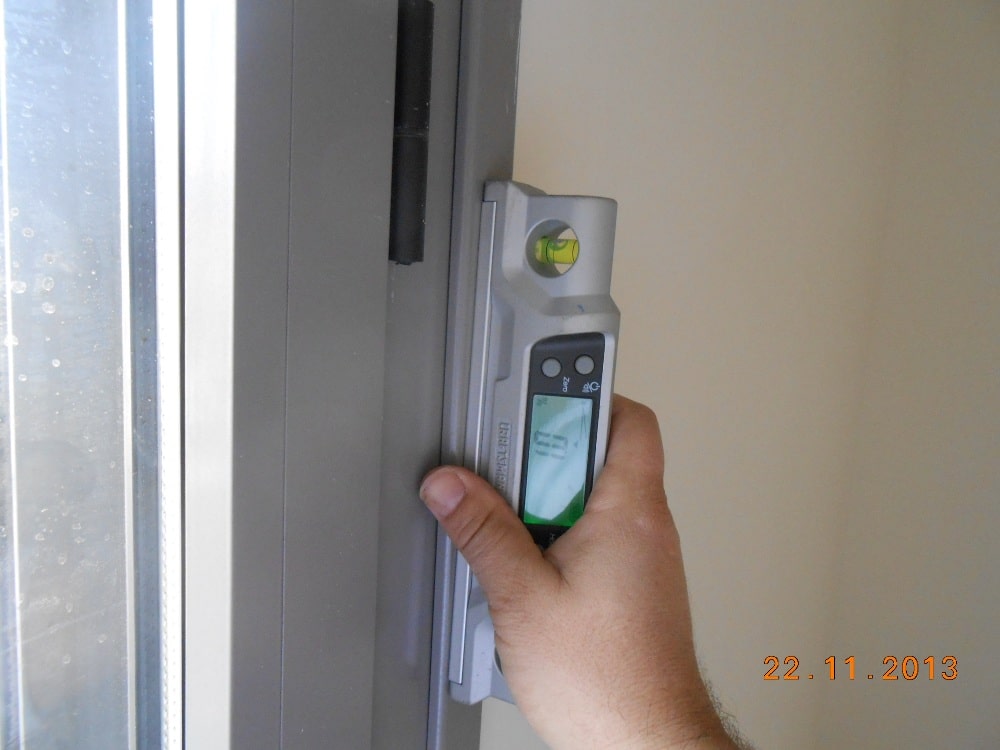
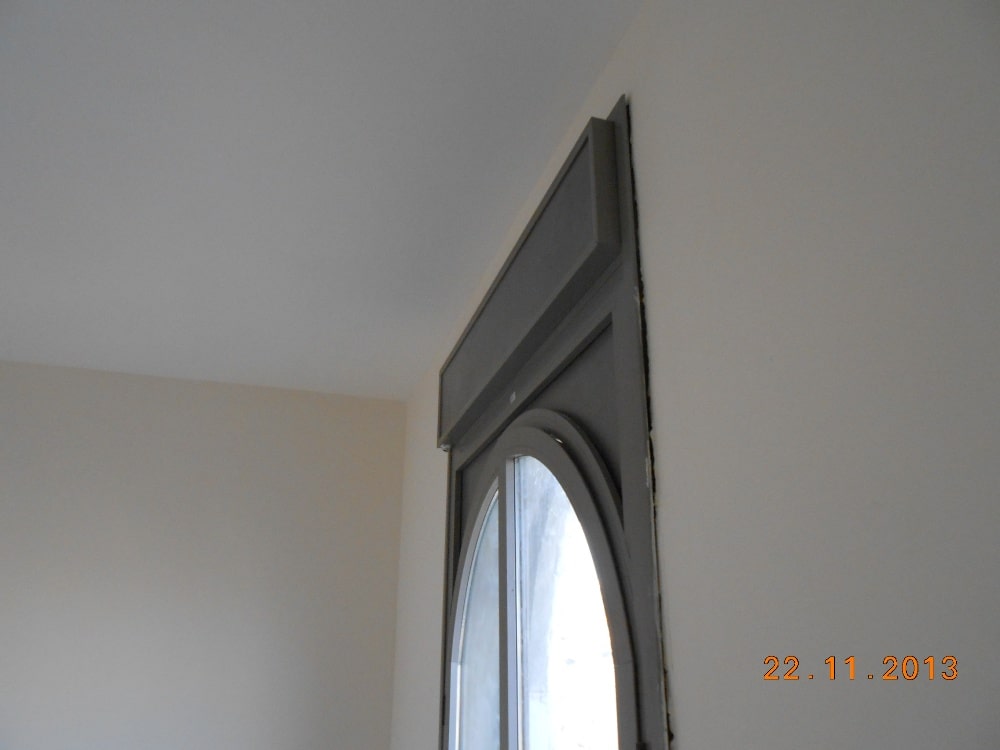
The aluminum contractor installing the window after the wall goes up has to set it level in every direction, or it will not open and close properly. So if the wall is noticeably crooked while the window is installed straight and level, as it should be, an unusual gap opens between them that installers usually fill with silicone. The result looks bad, and after a while the silicone starts to peel.
This, too, is a source of dampness and poor sealing. Caught in time, meaning during construction or before you move in, it can be fixed by straightening the wall and reinstalling the window. The best time to make this kind of change is before you move in. In short, coordinating and supervising the wall construction and the window installation properly prevents all of this. Where that coordination failed and a deviation exists, a construction-defect inspection will find it.
Window defects in a new home: what makes a window low quality?
"A window is a window, what could go wrong with it?" As it turns out, plenty. A few defects show up in the window itself, apart from the wall:
-
Glass defects: at handover, windows are often very dirty, which makes scratches hard to spot. Bring a damp cloth to the handover and clean the windows thoroughly. Report any defect at handover: if you only notice it after moving in, the contractor may claim a resident caused the scratch. The standard the contractor must meet allows up to one scratch of a certain length; other glass defects include bubbles and staining.
-
Seals: seals sit between the glass and the frame to keep out water and wind. They need to be intact, thick, and long enough to cover the full joint between glass and frame. A home inspection routinely checks this.
-
Insulated glazing: when is it required, and when not, in terms of heat and cold transfer? It's a complex subject, but in short: Israeli Standard (SI) 1040 for thermal insulation sets minimum requirements. Meeting them means planning the whole envelope of the apartment, walls, windows and doors, to the standard, based on location and floor height.
An apartment on the tenth floor in Jerusalem, for example, needs stricter thermal insulation than a ground-floor house in Tel Aviv. Meeting that requirement sometimes calls for insulated glazing: two panes with an air gap between them, instead of a single pane with weaker thermal properties.
You can usually tell the difference just by looking. Installing windows looks simple but is a trade of its own, requiring real skill and experience. Done poorly, the result shows both in appearance and function: cracks, windows that do not operate properly, and worst of all, water penetration and condensation (see our article on condensation).
The engineers of Arad Bedek Bayit, led by building engineer Ron Arad, whom courts appoint as their own expert on construction defects. The company has been inspecting apartments and buildings since 2001. Engineer Ron Arad · More about the company