

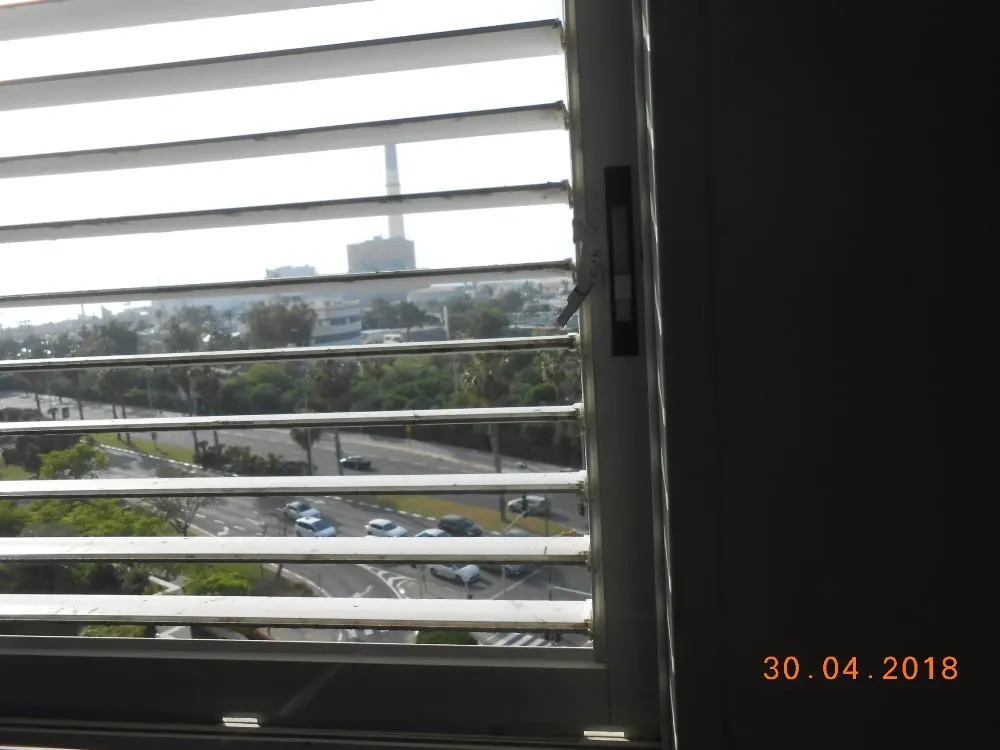
An apartment is the sum of its parts. Some of those parts are expensive and complex, and repairing or replacing them means major work; others, like shutters, cost less to fix, but that is no reason to accept poor shutter quality or careless installation.
When a home inspection is carried out on an apartment, the shutters are one of the elements the building inspection engineer checks. Every detail in a new apartment should be sound and free of construction defects, and that goes for a resale apartment too, even more so for a new one.
When you buy an apartment, or renovate one, it is important to have it inspected component by component, to confirm that everything is sound. An apartment from a contractor is covered by the contractor's warranty, under the technical specification given to the buyers.
That makes it worth identifying faults with the help of a home inspection engineer as early as possible, so the repairs fall under that warranty and you avoid paying for them yourself later. Remember that the contractor's warranty on a new building runs for a limited time, so it is best to have the inspection (building inspection) done at the earliest possible stage, even at the handover of the keys. This article covers the construction defects that can turn up in shutters.
Here are a few examples of shutter defects:
- Damage to the shutter: under section 4.1 of the relevant regulation, the installed parts of the apartment, shutters included, must be free of damage marks, corrosion, and stains. Damage of this kind affects both the shutter's appearance and how it works.
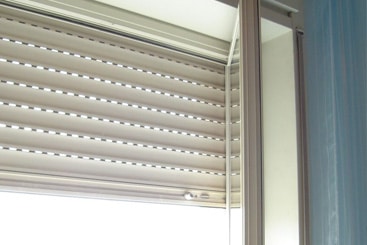
- The shutter box: in roller shutters, a box stores the shutter when it is rolled up. The regulations cover both its appearance and its condition, and it must meet certain visual standards. A common defect is inadequate thermal insulation in the box, which can lead to mold forming above it.
- Gaps at the top rail: the engineer's report also covers the gap between the shutter and the top rail attached to it. The standard sets an exact maximum for that gap; exceeding it lets objects work their way into the shutter and damage it.
- Friction usually shows up as noise, and the engineer will identify it even when no one points it out.
- The motor: it should run efficiently and quietly. Noise when the shutter opens or closes goes against the standard, and the opening and closing motion itself should also be smooth and trouble free.
- Light leaking through: if light gets in when the shutter is fully closed, the floor level or window sill needs adjusting so the shutter seals completely.
- The tracks: the seal between the shutter tracks and the window sill must be complete. Any gap or misalignment lets in water, air, and dirt, so this is worth addressing.
A home inspection is a comprehensive examination that checks the shutters' installation and quality, along with their mechanisms, the windows, and every other element that makes up the home. At the end, you receive a report detailing everything that was checked and any defects found, together with the engineer's recommendation on repair versus replacement and, usually, a cost estimate for the work.
That report backs up a demand for repair, compensation, or a lower price at the time of purchase, and if the other side does not cooperate, it stands as evidence admissible in court.
The engineers of Arad Bedek Bayit, led by building engineer Ron Arad, whom courts appoint as their own expert on construction defects. The company has been inspecting apartments and buildings since 2001. Engineer Ron Arad · More about the company