

This is the first in a series of articles on flooring defects.
Choosing the flooring is one of the hard decisions when you build a new apartment or house.
It starts with a visit to a specialist store, and today a visit to any of the big flooring stores leaves your head spinning: there are thousands of types of flooring, with new models every day.
Here are a few tips for choosing flooring from the engineering side, along with the flooring defects that the choice can lead to later, during installation.
a. Tile size
I have often heard: "My dream is huge tiles, 80 cm x 80 cm or more." It does make a very beautiful floor with few joints (a joint is the gap between adjacent tiles), which looks luxurious and clean.
On the other hand, you should know that both the tile and the tiler who lays it have to be close to perfect, or the result can be dismal.
The reason is that large tiles are very hard to work with, and it is hard to compensate for the deviations in their manufacture.
To explain a little further: every tile has some deviation, meaning the tiles are not exactly identical in size. A good tiler compensates by shifting each tile slightly as he lays it. That is one purpose of the joints between tiles: to absorb small deviations.
With tiles of up to 40 cm this is easy, but the larger the tile, the less room there is to maneuver.
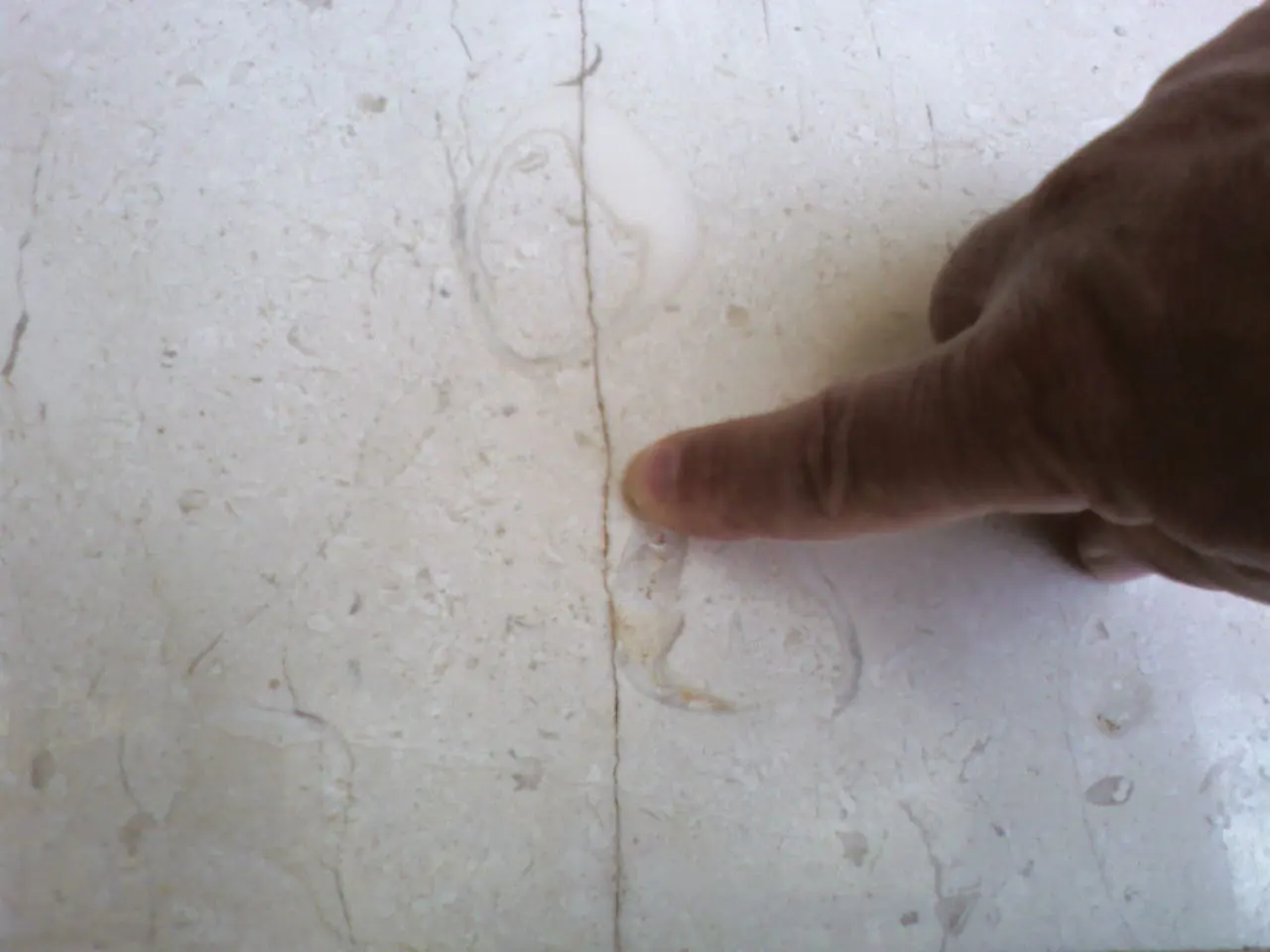
The result can be height differences between tiles and uneven joints.
b. Slipping
A tile that is too smooth is a slipping hazard, particularly when the floor is wet or dusty.
Today the standard defines the slip coefficient more clearly than it used to. The permitted level of slipperiness depends, of course, on the area being tiled.
For example, a balcony and a shower, which are wet areas, get a rougher tile than the living room.
So take into account where you are tiling, and use a rougher tile in the wet areas.
And if people with disabilities or very elderly people live in the home, it is worth choosing a slip-resistant tile in the dry areas too, such as the bedrooms and the living room.
c. Maintenance
Every tile comes with maintenance instructions. Some tiles cannot withstand certain ingredients in cleaning products, so use the cleaning products the manufacturer recommends.
In one case in which I served as a court-appointed expert, a resident's lawsuit against a well-known ceramics company, the plaintiff claimed that the tiles were staining.
I asked to see the product she used to clean the tiles, and I also asked to see the order form for the flooring.
Sure enough, the order form contained explicit instructions prohibiting the use of a particular chemical ingredient in cleaning products, and that ingredient was in the product the plaintiff used.
These are a few of the things to consider when buying flooring.
The next article gives some more tips, on installing it.
The engineers of Arad Bedek Bayit, led by building engineer Ron Arad, whom courts appoint as their own expert on construction defects. The company has been inspecting apartments and buildings since 2001. Engineer Ron Arad · More about the company