

On this page · 6
Construction defects in flooring: repair or replace? Height differences in flooring are a construction defect the contractor is liable for. This page covers the porcelain tile flooring standard and why it matters, the ceramic flooring standard, and what to watch for under the flooring work standards generally.
Standard 1629: the flooring work standard
Home inspection company: Israeli Standard 1629 sets the wet-room flooring standard and defines what the contractor is responsible for regarding flooring height, including the porcelain tile flooring standard. A home inspection checks compliance with Standard 1629 and the contractor's responsibility for the ceramic flooring standard.
Where a color mismatch actually becomes a defect

Where is the line between a normal variation and a genuine construction defect in the flooring? Take tile tone: sometimes only a small share of the tiles differ slightly in shade, and almost nobody notices.
Wet rooms and flooring height
One of the most important things to check is the wet-room flooring standard. Flooring height is a different matter: larger deviations and visibly protruding tiles present an entirely different picture. A building inspection aimed at finding construction defects will help you tell the difference. In the meantime, here is what else to look for in flooring.
What to check when inspecting flooring
Whether inspecting a resale apartment or a new one, check these parameters for construction and flooring defects:
- Surface safety: the floor must be completely level and safe to walk on for every age group. In wet areas such as balconies, the tiles must have slip resistance.
- Surface strength: every tile must be firmly reinforced and anchored.
- Surface appearance: the tone and color must be completely uniform.
- Tile integrity: no cracks or small chips, even in places that are hard to see.
Israeli standards also cover flooring specifically:
- Standard 1555, part 3: ceramic tile flooring systems.
- Israeli Standard 6: manufacture of terrazzo tiles (official standard).
- Israeli Standard 314: manufacture of ceramic tiles (official standard).
- Israeli Standard 1629: terrazzo flooring systems.
The most common flooring defects an inspection finds
Some of the flooring defects that turn up most often in building inspections:
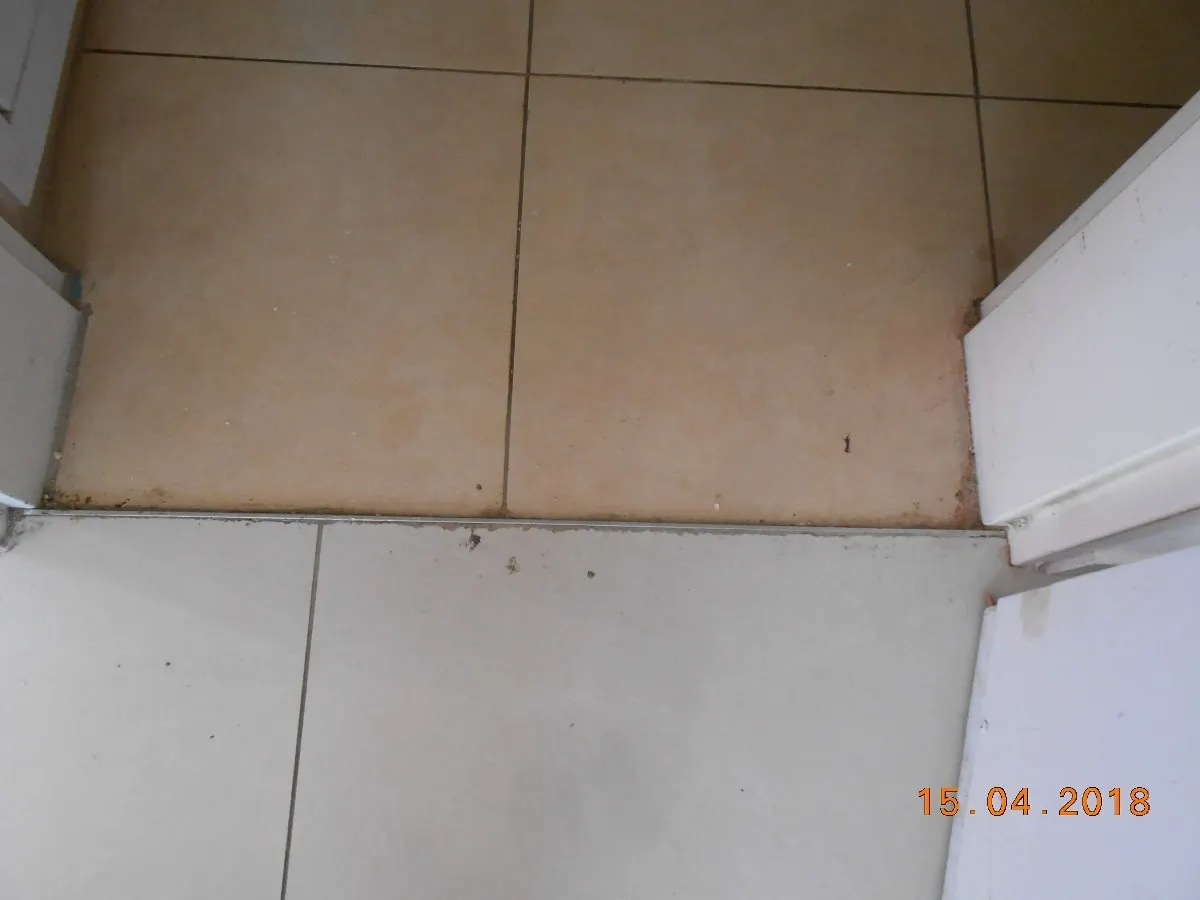
- Height differences between adjacent tiles: only a 1 mm deviation is allowed, tested with a 1 mm gauge. Large tiles are allowed up to 1.5 mm.
- Deviation from flatness: the standard allows 2 mm over a 2-meter span, checked with a 2-meter aluminum straightedge held against the tiled surface.
- Local deviation: a dip or rise at a single point on the surface, tested the same way, with the same 2 mm over 2 meters allowed.
A building inspection of your apartment has to be carried out by someone with a broad enough view of every element to interpret these findings for you.
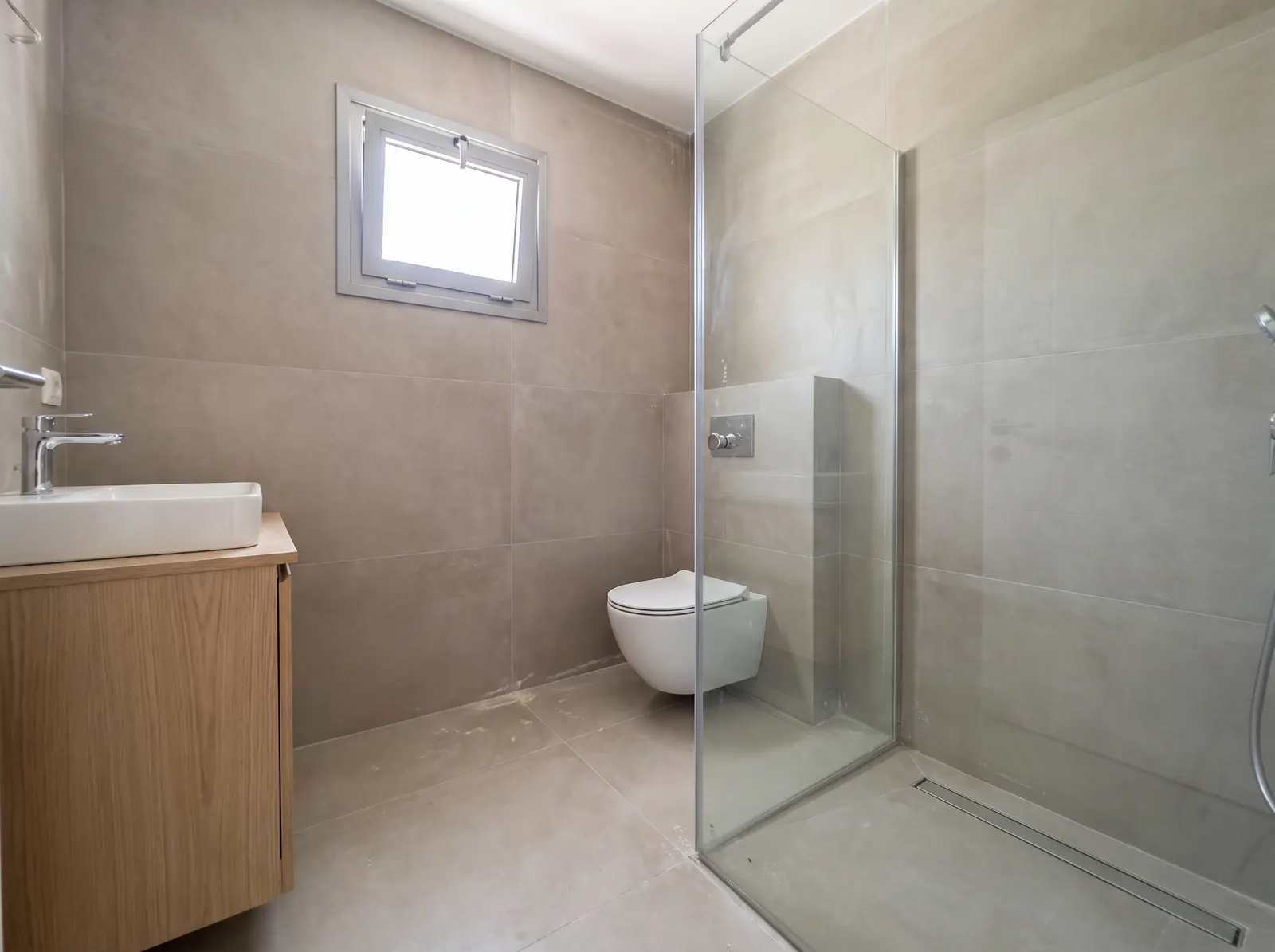
Home inspection: slope standards: a building inspection expert should be able to tell you whether a given defect is minor or serious, guide you toward the most practical and cost-effective fix, and, when a defect is serious, help you understand whether you have grounds for a lawsuit, since serious flooring defects carry real financial and safety consequences.
Materials worth knowing before you start
You do not need to master every material used in flooring work before starting a project in your home, but it helps to have a general sense of the common options, what to watch for during the work, and how to confirm the job meets standard, so your new home gives you real peace of mind.
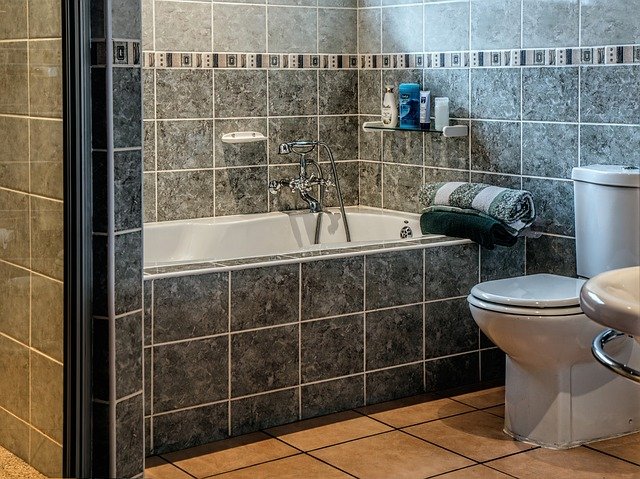
As a leading home inspection company with years in the field, we can share a few practical tips about the materials typically used in flooring work.
Whether you are renovating or having a home inspection done after moving in, it helps to check that the contractor followed the required stages, used reasonable materials, and did not miss deadlines or fall short of the standards. Reach out to us at any stage for guidance, or read more about the standards in our flooring plan.
Whether the flooring is in a wet or dry room, the contractor is responsible for the flooring height and for meeting Standard 1629, whether that means the porcelain tile standard, the ceramic flooring standard, or any other flooring work standard: a thorough home inspection is what confirms it.
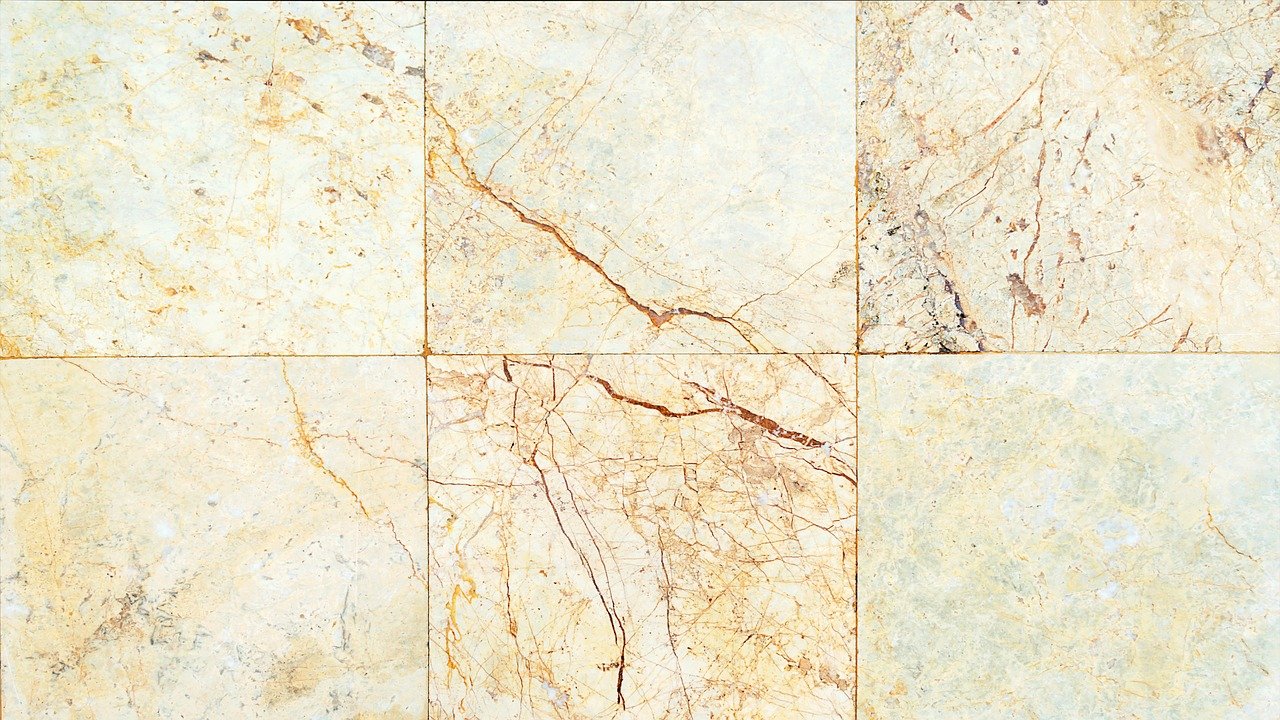
Construction defects in flooring, repair or replace? The goal is to avoid discovering, after you have already moved into your new home, that the flooring has to be replaced entirely.
As noted, the range of defects a construction inspection can turn up is wide, and with flooring it can mean replacing every tile in the apartment. So do not take flooring lightly when buying a property: look closely at the floor too.
The engineers of Arad Bedek Bayit, led by building engineer Ron Arad, whom courts appoint as their own expert on construction defects. The company has been inspecting apartments and buildings since 2001. Engineer Ron Arad · More about the company