

Cracks
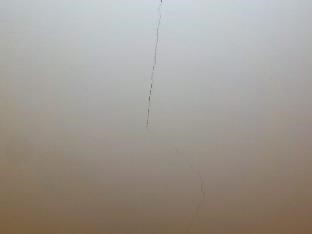
Cracks in a building can be divided into several types:
- Structural cracks.
- Thermal cracks.
- Crazing (crisscross cracking) in the plaster layer.
Structural cracks
Cracks in concrete elements can be a warning sign of a significant failure, for example a crack in a concrete beam or in a concrete column in the underground parking garage. Such cracks can have several causes, among them excessive settlement of a particular element.
In that case the structural designer (who is responsible for the stability of the structure) is called in for a further opinion. More about this on the pages structural frame and masonry and cracks and stability.
Thermal cracks
Thermal cracks form where two different materials, or two different planes, meet, each of which contracts and expands differently. For example, the joint between a concrete wall and a block wall. To prevent such a crack, a reinforcement between the elements, such as mesh, is installed in advance when the plaster layer is applied. These cracks are not dangerous to the structure, but they can let water in or be an aesthetic flaw.
Crazing
This kind of cracking usually forms in exterior plaster that was not applied properly, or that is not suitable for outdoor conditions. It is seen mainly on roof parapets. The solution is to remove the plaster layer and apply it again according to the requirements of the standard.
Plaster and paint
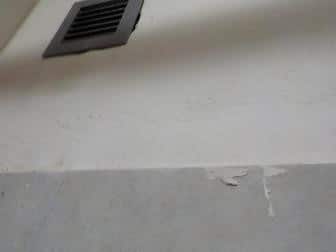
Beyond the cracks, in the plaster and paint we check the quality of the finish. For example, the filler and paint layer must not have bulges, excessive roughness, smear marks and the like. Non-rusting corner beads must be installed on the wall corners. When pigmented plaster is applied, it has to be done in one continuous run to prevent differences in shade.
The plaster must be of standard thickness, which depends on the type of plaster, and have a suitable scratch coat or primer to keep it from coming away.
The engineers of Arad Bedek Bayit, led by building engineer Ron Arad, whom courts appoint as their own expert on construction defects. The company has been inspecting apartments and buildings since 2001. Engineer Ron Arad · More about the company