

The stairwell, and in a tall or high-rise building two stairwells, is the escape route in an emergency.
Stairwells have to meet the requirements of the fire authorities, which keep getting stricter. In recent years work has been under way to align the standards in Israel with European standards.
These are some of the many issues inspected in a stairwell:
- Air pressure: during a fire or smoke, a pressurization fan has to bring suitable air pressure into the stairwell. The pressure keeps smoke from getting into the stairwell when the doors from the lobbies open and residents enter it.
- Fire doors: despite the air pressure that keeps the stairwell free of smoke, it is important that the fire doors from the floor lobbies close automatically after they have been opened. More on this on the page Doors and signs.
- Smoke sealing: the doors have to be smoke-tight, so it is important to level the door frame and the door.
- Dimensions: as mentioned, the stairwell is used for escape in an emergency, so the Planning and Building Regulations define the required dimensions in detail. For example:
- The dimensions of a step (twice the riser plus the tread = 61 to 63 cm).
- The width of the flight of stairs.
- The depth of the landing.
- Railing and handrail: the installation of the railing and handrail is set out both in the Planning and Building Regulations and in Israeli Standard 1142 (Standard 1142: a standard handrail for stairs). A mistake in the railing height, for example, can endanger lives.
- Finish: the stair cladding (stone, ceramic or smoothed concrete) has to meet the relevant standard, among other things without chips, stains or cracks.
- Emergency lighting: there has to be emergency lighting in the appropriate places, and an illuminated exit sign at every exit point.
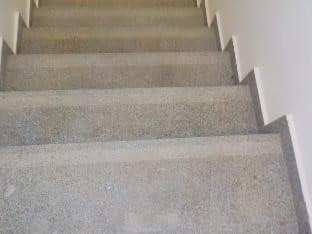
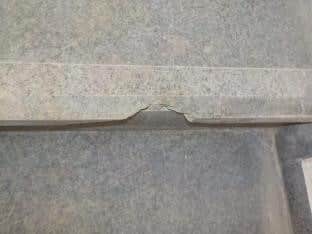
More defects we found on the stairs of shared buildings are described on the page Construction defects in stairs in a shared building.
The engineers of Arad Bedek Bayit, led by building engineer Ron Arad, whom courts appoint as their own expert on construction defects. The company has been inspecting apartments and buildings since 2001. Engineer Ron Arad · More about the company