

Several types of exterior cladding are common on buildings in Israel:
- Natural stone cladding
- Ceramic cladding
- Mosaic cladding
- Plaster cladding
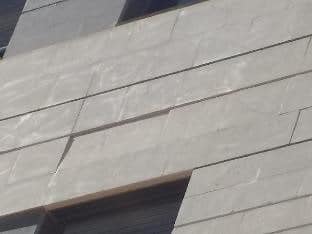
Natural stone cladding
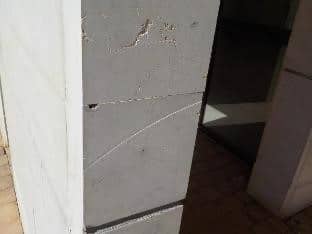
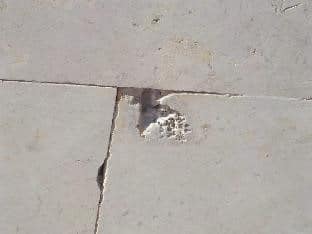
There are several methods for installing natural stone cladding, and each has its own standard and requirements:
- Baranovich
- The wet method
- The dry method
- Adhesive bonding
Following stones falling from building walls over the past decade, the standards were expanded, especially for the adhesive method. The stone cladding system has to meet requirements in two areas:
- The properties of the stone: absorption, strength, thickness and more.
- The installation of the stone: expansion joints at the required spacing, joints of a minimum width, anchoring hooks and metal fittings of stainless steel that does not rust, bottom support angles and more.
Common defects in exterior cladding
What happens when the expansion joints are too far apart, or do not exist at all?
Every material expands and contracts with changes in temperature. When the stone cladding system expands, the expansion joints "absorb" the expansion. When there are no expansion joints, the stones press against each other until they crack and break.
What happens when the stone does not meet the absorption requirements (that is, it absorbs too much)?
In porous stone, salts dissolved in water seep into the pores and crevices of the stone. When the water evaporates, minerals remain inside the stone, and their volume when they crystallize is much greater than when they were dissolved. As a result, parts of the stone are pushed outward, and the stone crumbles. When the crumbling process meets clay pockets in the stone, it speeds up.
A case of a cladding stone that fell from a great height in a building we inspected is described on the page Defects we found in buildings. More on the subject on the pages Exterior cladding: cladding defects and Falling stone cladding.
The engineers of Arad Bedek Bayit, led by building engineer Ron Arad, whom courts appoint as their own expert on construction defects. The company has been inspecting apartments and buildings since 2001. Engineer Ron Arad · More about the company